
Hawaii
Oahu Without the Wall
The island has genuinely quiet places. The work is sequencing them so you reach them before the crowds do.
AI travel agent · free to try
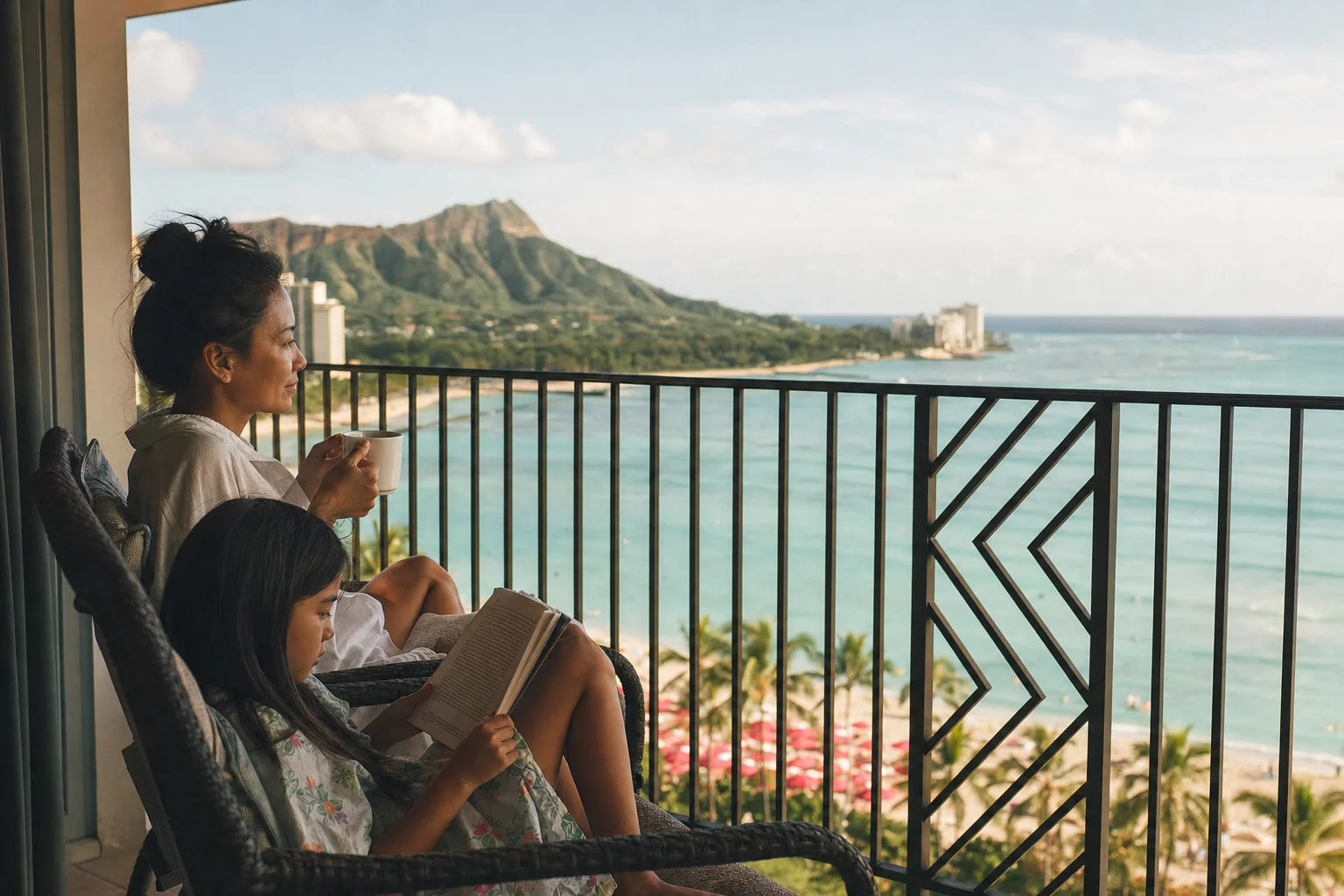
The honest version of an Oahu trip looks like this: two mornings of genuinely calm beaches, a couple of dinners where you can actually hear each other, and a day structure that doesn’t rely on the island cooperating in ways it won’t. The dishonest version - the one most travel content sells - is that Oahu is naturally peaceful if you just pick the right hotel. It is not. But the quiet exists. The difference is sequencing.
Ko Olina: engineered calm vs. everything else
Ko Olina’s lagoons are not calm because of luck or low season. They’re calm because rock breakwaters physically eliminate wave action. The water is shallow, sandy-floored, and predictably still regardless of what the ocean is doing 50 yards away. That structural certainty is the thing Waikiki cannot offer no matter how nice your room is.
Ko Olina Lagoon 4
The least-visited of the four lagoons. No resort attached, dedicated lot with 100 public spaces, free. A September 2024 TripAdvisor reviewer: “It was pretty quiet there. The beach at the cove was wonderful and not busy.” Arrive before 9am - no loudspeakers, no pool-chair competition.
One important distinction before you arrive: the lagoons and the resort pool decks are different places. The Marriott’s main pool drew a 2026 review describing it as “horribly overcrowded even in off-season months.” Aulani’s chairs are gone by 8am. The lagoons are calm; the pool decks are not.
Noe Restaurant at Four Seasons Ko Olina
Ko Olina’s quietest dinner. An outdoor patio facing a garden and koi pond - no live music, “tranquil and peaceful” across multiple 2025 reviews. Ask specifically for patio seating; the indoor section has been described as stark. Book weekday evenings. The whole evening can function as a decompression stop after a morning at the lagoon.
Two Ko Olina restaurants to navigate: Monkeypod Kitchen has live music on the lanai most afternoons - opening reservation is the workaround, not a guarantee. Longhi’s is generally comfortable except Tuesdays, when Luau night changes the entire atmosphere.

If Ko Olina is the right anchor for your trip - the lagoon as the daily base, Noe for dinner, a resort that doesn’t require navigating Waikiki - Mira can match that to specific hotels and availability for your dates.
AI travel agent
Waikiki with deliberate sequencing
Waikiki draws roughly 72,000 visitors a day. A long-term Hawaii traveler on TripAdvisor: “I promise you that you won’t find a hotel anywhere in Waikiki that has absolutely no noise from somewhere.” That’s calibration, not complaint. Waikiki works for low-stimulation travel only if you treat it as the base for early-morning sorties and midday retreats - not as a calm place that reveals itself with the right room.
Before 8am, the beach belongs to local walkers and surfers. The Diamond Head end, past the aquarium, stays noticeably less crowded than the central strip throughout the day. That window is usable, repeatable, and free.
Halepuna Waikiki by Halekulani
The quietest hotel in Waikiki proper. Side-street location off Kalakaua Avenue, whisper-quiet HVAC (a January 2026 reviewer: “the quietest room I’ve ever stayed in”), rooftop pool on the 8th floor that stays calm without pool parties. No resort fee. Request a high floor - delivery truck noise in early mornings is a documented caveat in at least one review thread.
Waikiki Aquarium as a standalone stop
Small, dim, and slow-paced. The jellyfish gallery is the highlight - slow-motion, hypnotic, no pressure to move through quickly. Open daily. Plan it as a single morning stop, not part of a larger Waikiki day. If you sandwich it between a crowded street lunch and an afternoon at the zoo, the aquarium’s calm doesn’t survive the context.
KCC Farmers’ Market (Saturdays, 7:30am)
Near Diamond Head. Shaded aisles, ambient rather than PA-system sound, local food vendors. Works well as the first activity of a trip - easy, gentle, over before the 9am crowd shift. It peaks by 9am and winds down by 11am; arriving at 7:30 gets you the quiet version.
The windward coast: Oahu’s other half
The windward side - Kailua, Waimanalo, Bellows - is 30 minutes from Waikiki and categorically less dense than anything on the tourist belt. Most families never make it there. That’s the reason it’s quiet.
Waimanalo Beach
Three and a half miles of white sand backed by ironwood trees, with a mountain backdrop and consistently fewer visitors than Kailua or Lanikai. Beat of Hawaii describes it as “often overlooked by guidebooks.” Morning water is calm; afternoons get choppier. Weekday mornings are the uncrowded window - weekends draw local families for barbecues, which is a different (lively, not tourist-loud) atmosphere. Free parking, picnic tables. 15 minutes south of Kailua.
Bellows Beach
The best-kept quiet beach on Oahu, and the military ownership is the whole reason. Open Friday noon through Sunday midnight and on federal holidays. Free parking, showers, restrooms, lifeguards. The northern section at low tide creates a natural shallow splash zone barely ankle-deep across a wide stretch.
The risk: military training exercises can close it with no advance notice. Don’t anchor your day here. Start at Waimanalo, add Bellows as a bonus if the gate is open.
Waimea Bay in summer
Almost all travel writing about Waimea covers winter surf. The summer version - May through September - is a different beach. Flat, glassy water; lifeguards; restrooms; picnic facilities. Arrive before 9am, parking is limited, the Waimea Valley overflow lot works as backup. Most families don’t know the summer version exists. That’s the opening.
Byodo-In Temple
Opens at 8:30am. Arrive by 9am and leave by 9:15. A TripAdvisor reviewer with specific timing: “If you visit early at 9:00 AM shortly after opening there are no crowds with plenty of parking, but when visitors leave at 9:30 the parking lot is full with dozens of people entering from buses.” The temple grounds enforce quiet by custom. The bell - a tactile, self-controlled sound moment - is available to strike. Don’t stay past 9:15am. That’s the window.
A windward coast day - Waimanalo and Bellows in the morning, Byodo-In at opening, breakfast in Kailua - is a solid itinerary but depends on what’s open, what the tide is doing, and how far you want to drive from your base. Mira can map this to your specific hotel.
AI travel agent
Where to eat without the noise
The most useful tool for this on the ground is SoundPrint, a database of actual decibel measurements at restaurants. For Honolulu, it has measurements that rate Paris.Hawaii, Kahala Sushi, and Quiora among the quietest options in the city - all in the range the platform classifies as quiet conversation. Measurements shift as restaurants change ownership or redesign their interiors, so use it as a directional guide: check the current reading on your phone before you commit to a dinner reservation.
The Kaimuki neighborhood, three miles north of Waikiki, is where local restaurant writers direct people when they want to eat without the resort-scale crowd. Mud Hen Water is the farm-to-table local option. I-Naba, a soba restaurant in McCully, earns a specific endorsement from The Infatuation: “a favorite place to eat alone… you feel transported away from the hustle and bustle of life. The service is toned down but efficient.” Neither is a tourist-facing restaurant. That’s the point.
In Kailua: Over Easy has outdoor seating and an unhurried pace. Moke’s Bread and Breakfast is the local institution - go early on weekends to get seats before the line builds.
Building the day so it holds
Beach or nature before 9am, while the crowds are thin and the heat hasn’t peaked. Midday rest from roughly noon to 3pm - hotel room, the aquarium’s dim interior, or a shaded walk through Waimea Valley. One afternoon stop only if the morning was genuinely calm.
Keep individual activity windows at 30–45 minutes. Build transition time between them with nothing scheduled in it. That buffer determines whether the afternoon holds.
A concrete version from a Ko Olina base: Lagoon 4 at 7am, breakfast at the hotel, rest from noon onward. Byodo-In on a separate morning - in by 8:30am, out by 9:15. Waimea Valley on a weekday morning, side trails over the main path. Noe for a weekday evening dinner. The point isn’t density. It’s stacking the quiet so it compounds rather than erodes.
Frequently Asked Questions
Is Ko Olina worth visiting just for the lagoons, even without a resort booking?
When is Waikiki Beach actually quiet?
Which Oahu restaurants have actually quiet dining rooms?
What's the best structure for a low-stimulation day on Oahu?
Is Waimea Bay a viable family beach in summer?
Is Bellows Beach accessible without a military ID?
More articles about Oahu
Destination Guide
-

Oahu with Kids (2026): The Family Travel Planning Guide
Most families book Oahu thinking the hardest part is finding the right hotel - the hardest part is picking the right side of the island.
-

First Time in Oahu: What to Know Before You Land
The island punishes over-planning and under-booking in equal measure - here's how to thread it.
Who's Traveling
-
Oahu with a Large Family: What to Book and Where
The law changed in 2022. Most travel blogs didn't get the memo.
-

Oahu for Multi-Generational Families: A Real Guide
The island works across four generations - but only if you make one foundational choice before anything else.
-
Oahu with a Baby: What to Book and Where to Stay
The island is more manageable with an infant than you think - if you make one decision right before anything else.
-

Oahu with Grandparents: The Hotel Choice That Matters Most
The island itself is the easy part. The hotel is where most families get it wrong.
-

Oahu with School-Age Kids (Ages 6–14)
The families who love it most are the ones who slowed down.
-

Oahu with Teens: Leave Waikiki to Win
The resort pool is fine. The trip your teenagers will actually remember is an hour north.
-

Oahu with a Toddler: Two Decisions That Shape Everything
The island is more forgiving than you'd expect - if you make the right two calls before you land.
Sensory & Accessibility
-
Oahu Without the Sensory Wall of Waikiki
The island rewards early mornings, calm lagoons, and knowing which resort sits on the quiet side of the enclave.
-
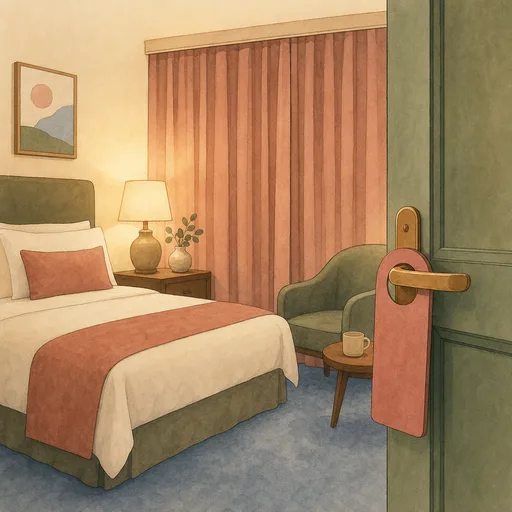
Quiet Hotels on Oahu: Where to Actually Sleep
The island isn't uniformly noisy - but you have to know which kind of quiet you're looking for.
-
Sensory-Friendly Oahu: Ko Olina vs. Waikiki
Ko Olina's lagoons were engineered for calm. Waikiki was not.
-

Wheelchair-Accessible Oahu: What's Actually Possible
The infrastructure is genuinely impressive. The gaps are specific - and you can plan around them.
Food
-

Eating Safely on Oahu: A Family Allergy Guide
The island is workable - if you know where the traps are before you land.
-

Oahu with Food Allergies
The island's food is extraordinary - and it overlaps with nearly every major allergen in ways most guides miss entirely.
-

Oahu with Picky Eaters: A Practical Guide
The food culture is proudly local. Your kid doesn't have to be.
Room Setup
-
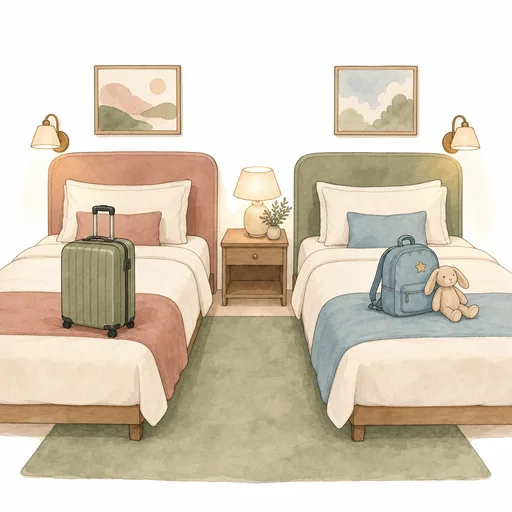
Connecting Rooms in Oahu: Who Actually Guarantees It
The difference between a guaranteed connection and a front-desk argument at 11pm is knowing which hotels have actually solved this.
-
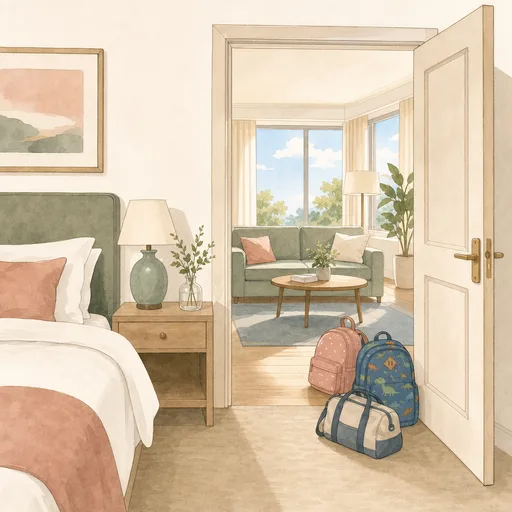
Family Suites in Waikiki and Ko Olina: What's Real
The word "suite" means something different in every Waikiki brochure. Here's what's actually behind the door.
-
Oahu Condos with Kitchens: What to Actually Book
The most consequential decision you'll make for this trip isn't the beach - it's the cooking setup.
On-Site Activities
-

Oahu Kids Clubs: Which Resort Actually Delivers
The best supervised drop-off programs on the island are free - but not where most families are staying.
-

Oahu Hotels with a Lazy River: One Resort, One River
There's exactly one hotel on the island that has one - and a few things you need to know before you book it.
-

Oahu Water Parks: Aulani, Wet 'n' Wild & More
One real park, one Disney complex that rivals it, and a Waikiki hotel that most families drive past without realizing it has a waterslide.
Powered by Mira
Tell Mira about your family
Two minutes of conversation. A shortlist of hotels that actually fit — connecting rooms, accessible layouts, calm floors, whatever your family needs.
AI travel agent · free to try
Talk to Mira Let Mira find the right hotels for your family. Find hotels with Mira
AI travel agent · free to try