
Hawaii
First Time in Oahu
The island punishes over-planning and under-booking in equal measure - here's how to thread it.
AI travel agent · free to try
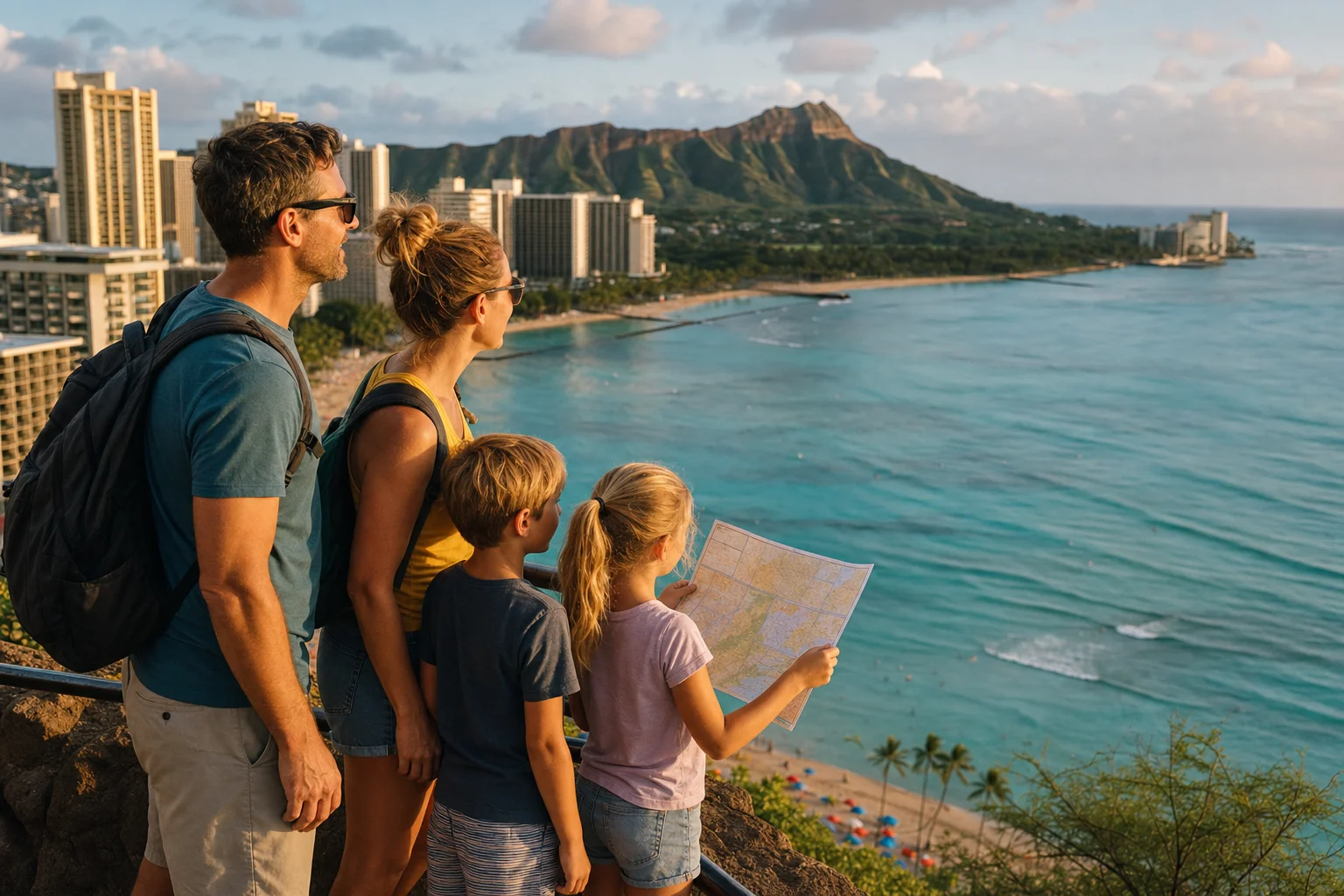
Every first-timer arrives at Daniel K. Inouye International Airport with roughly the same plan: stay in Waikiki, see Pearl Harbor, maybe do the North Shore, fit in a luau. The plan sounds reasonable on paper. Most people figure out within two days that it isn’t - that the H-1 at 4 PM is not a highway so much as a parking lot, that their hotel room charges a $59/night resort fee they didn’t see in the booking, and that the luau they were about to book closed permanently on New Year’s Eve 2025.
Oahu is an excellent first Hawaiian island - good infrastructure, real beaches, more variety than any other island in the state. The trip just has more moving parts than the brochure implies, and the parts that go wrong are the same ones almost every first-timer gets wrong. Get the base right, book a few things before you leave home, and learn where the traffic traps are, and the rest falls into place.
Where to base yourself
Start here because this decision settles most of the others.
Waikiki is where 95% of Oahu hotel searches end up, and for first-timers there are good reasons for that. It’s the only part of the island that functions without a car - restaurants, beaches, the Honolulu Zoo, the Waikiki Aquarium, most organized tours, and the city’s main shopping district are all walkable. If budget is a variable, the competition among hotels is higher here than anywhere else on the island, which keeps some rates in check. And for families managing jet lag with early-rising kids, being steps from the beach at 5:30 AM is a real advantage.
The honest downside of Waikiki: resort fees. Most properties charge $47–$61 per night on top of the room rate, and parking adds another $60–69 per night if you rent a car. A seven-night stay can add $400–500 to a bill that already felt expensive, which is why a viral video of a couple’s $500 resort fee at the Royal Hawaiian hit a nerve. Fee-free alternatives exist - Ala Moana Hotel, Ambassador Hotel Waikiki, White Sands Hotel - and are worth the comparison when you run the true nightly cost.
Ko Olina
Ko Olina is the right call for families with children under five, specifically because of the four man-made lagoons. Nets block ocean surge and leave lake-flat water year-round - no wave guessing, no daily surf forecast anxiety. If you’re an Aulani family, the kids club, character meet-and-greets without park-style queuing, and the zero-entry pool infrastructure make the resort genuinely self-contained in a way that can feel like a relief after a long flight.
The tradeoffs are real: you need a car for anything beyond the Ko Olina bubble, food costs run resort-captive, and you’re an hour or more from the North Shore, Kailua, or anything in central Honolulu. Families who also want Marriott’s Ko Olina Beach Club - villa kitchens, space to spread out, significantly lower per-night cost than Aulani - make the value math work by cooking breakfast and dinner in rather than eating out.
The North Shore is day-trip territory for first-timers. Ritz-Carlton Turtle Bay (rebranded from Turtle Bay Resort in July 2024 after a $250M renovation) is the one significant hotel option up there, at premium pricing that requires genuine commitment to staying away from everything else. Experienced Oahu visitors love a North Shore base; first-timers almost universally recommend treating it as the best day you take from Waikiki.

The base decision shapes everything from beach access to what you’re paying for parking. Tell Mira your family size, travel dates, and which beaches or activities matter most - she can run the true cost comparison and help you pick the right split.
AI travel agent
What to book before you leave home
These three things fill up far in advance and require more lead time than most first-timers expect. Book them the week you book your flights.
Pearl Harbor USS Arizona Memorial
Free, but requires advance reservations through Recreation.gov - up to 8 weeks ahead, with a $1/ticket reservation fee that catches people off guard. No bags are allowed anywhere on the Pearl Harbor site; storage lockers run $7. The parking lot fills by 9 AM in summer, so arrive by 7:30 or take TheBus routes 20 or 42 from Waikiki (about 60 minutes). If the Arizona fills by the time you book, USS Missouri, USS Bowfin, and the Pearl Harbor Aviation Museum don’t require advance reservations.
Hanauma Bay
The November 2025 reservation overhaul created two paths: book through the official PROS portal exactly 48 hours ahead at 7 AM Hawaii Standard Time - weekend slots disappear within minutes - or book the Roberts Hawaiʻi shuttle package up to 30 days in advance, which includes transport and admission. The shuttle is the low-friction option for first-timers. The bay is closed Monday and Tuesday, last entry is at 1:30 PM sharp, and the tickets are non-transferable.
Diamond Head
Hawaii DLNR’s Go State Parks system handles reservations, bookable up to 30 days ahead. The parking lot is functionally full by 6:30 AM on busy days, and the Honolulu Fire Department runs multiple rescues monthly from hikers who started at noon without water. The hike itself is 0.8 miles with a 560-foot elevation gain, 99 steps, and a tunnel - manageable for school-age kids who are comfortable walkers, but not the gentle stroll that photos suggest. Start early.
The traffic problem
Honolulu ranks in the national top 10 for congestion, and the island’s main artery is a single highway: the H-1. This matters for first-timers mainly because the standard Oahu day-trip plan - Pearl Harbor in the morning, North Shore for lunch, back to Waikiki for dinner - falls apart against real drive times.
Waikiki to the North Shore is 50 minutes in ideal conditions and 90 minutes or more during peak hours. The H-1’s worst windows are 6–8:30 AM eastbound and 3:30–6:30 PM westbound. The best driving windows are 10 AM to 2 PM and after 7 PM. An experienced regular on the Tripadvisor Oahu traffic forum puts it plainly: “I always left Waikiki around 8:30 AM when rush hour was ending and tourists weren’t yet active.”
The practical structure for a North Shore day: leave Waikiki by 8 AM, drive the H-1 before the worst westbound traffic, hit Haleiwa for coffee and shave ice, reach Waimea Bay and Sunset Beach in the middle of the day, and start back by 3 PM. The Laniakea corridor was under construction through spring 2026, adding unpredictable delays on that stretch - build extra buffer.
One more thing worth knowing: Giovanni’s Shrimp Truck is the cultural landmark at Kahuku that every North Shore itinerary includes, and it’s worth the stop for the experience. The graffiti-covered truck, picnic tables, strangers comparing plates - that part is real. The food quality is another story; an independent review found frozen commercial shrimp and pre-chopped jarlic at a price that doesn’t reflect the ingredients. Go once, knowing what you’re going for.
The luau situation
Paradise Cove Luau, the default family luau recommendation on the west side for nearly five decades, closed permanently on December 31, 2025. Most articles that come up in search results still recommend it. They’re wrong.
The current options for first-timers:
Chief’s Luau
Forty-five minutes west of Waikiki at a waterpark on the Oahu west side. Interactive, humor-forward entertainment, and fire-knife dancing that earns consistent praise across family reviews. Good for families who want an entertaining evening without a heavy cultural-immersion commitment.
Toa Luau at Waimea Valley
On the North Shore, which means you’re either pairing it with a North Shore day or making a dedicated drive. Smaller than the big productions, considered more intimate, and includes Waimea Valley admission - so the waterfall walk is part of the day rather than a separate trip.
Polynesian Cultural Center
Not primarily a luau - it’s a full-day cultural experience in Laie, 60–75 minutes from Waikiki. The villages open around noon, the Hā evening show runs 7:30–9 PM, and the whole commitment is roughly nine hours on-site plus driving. The staff are actual Islanders demonstrating their own cultures in village settings, and multiple families describe the evening show as the most moving thing they experienced in Hawaii. A four-year-old was reportedly still talking about the fishing net demonstration weeks after the trip. Plan this one toward the end of your visit when jet lag has cleared, not day two when everyone is still adjusting. Closed Sundays. No alcohol served.
The luau landscape changed significantly at the end of 2025. Tell Mira how many nights you have, where you’re based, and whether you want a big-production evening or something smaller - she can match you to the option that actually fits your trip.
AI travel agent
How jet lag works in your favor
East Coast to Honolulu is a 5–6 hour time shift west. Going to Hawaii, the adjustment is manageable. Coming home is where most families get wrecked - build at least a weekend buffer before school or work restarts.
The useful frame for the first few days: your kids will wake at 4–5 AM, which feels like a problem until you realize that the beach at 5:30 AM is empty and soft, Pearl Harbor opens before the parking fills, and Diamond Head’s parking lot is still available if you’re moving by 6:30. Every one of those experiences gets harder as the day progresses. The jet lag is effectively a schedule feature for early-morning Oahu - the people who exploit it are the same ones who come home saying the mornings were the best part of the trip.
Pack breakfast supplies in your room before arriving. Nothing opens until 6 or 7 AM and your kids will be hungry at 4:30.
The Waikiki noise situation and hotel picks
Waikiki is a 24/7 strip - street performers, car audio, pedestrian traffic through the night. The Honolulu City Council introduced a noise ordinance in 2024, but first-floor and street-facing rooms are still significantly louder than upper-floor, ocean-facing options. High-floor, ocean-facing rooms cost more and are worth the difference if sleep matters.
Hilton Hawaiian Village
The strongest family setup in Waikiki: multiple pools, a lagoon, Friday fireworks that reliably land well with kids. Rainbow Tower renovation is ongoing as of research date with noise complaints that previous guests called jackhammer-level; request a confirmed, non-construction-adjacent tower when booking and call to confirm before arriving.
Hotels without resort fees
For families who’ve run the math and decided the fee-free route works better: Ala Moana Hotel, Ambassador Hotel Waikiki, and White Sands Hotel are the named alternatives in Honolulu proper that skip the daily add-on.
Two clear skips for your limited trip days: Dole Plantation (the pineapple soft-serve is the only genuine draw; the rest is heavily commercialized) and International Marketplace (a modern open-air mall with brands you can find in any US city). Both will eat time you could spend somewhere Oahu-specific.
Frequently Asked Questions
Do I need to rent a car for Oahu?
How do we handle jet lag with kids in Hawaii?
What happened to Paradise Cove Luau?
What time should we arrive at Pearl Harbor?
Waikiki or Ko Olina for a first visit with kids?
Is the Polynesian Cultural Center worth a full day?
More articles about Oahu
Who's Traveling
-
Oahu with a Large Family: What to Book and Where
The law changed in 2022. Most travel blogs didn't get the memo.
-

Oahu for Multi-Generational Families: A Real Guide
The island works across four generations - but only if you make one foundational choice before anything else.
-
Oahu with a Baby: What to Book and Where to Stay
The island is more manageable with an infant than you think - if you make one decision right before anything else.
-
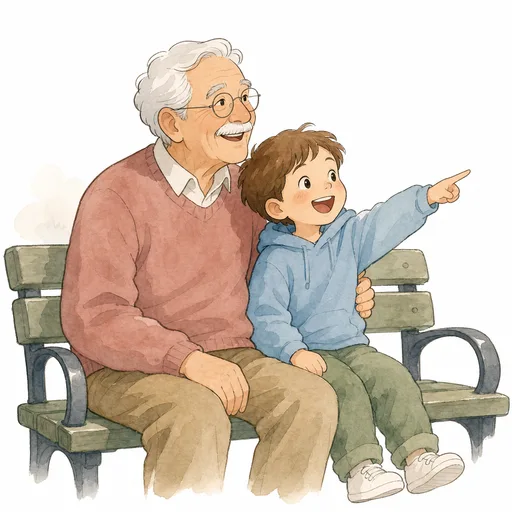
Oahu with Grandparents: The Hotel Choice That Matters Most
The island itself is the easy part. The hotel is where most families get it wrong.
-

Oahu with School-Age Kids (Ages 6–14)
The families who love it most are the ones who slowed down.
-

Oahu with Teens: Leave Waikiki to Win
The resort pool is fine. The trip your teenagers will actually remember is an hour north.
-

Oahu with a Toddler: Two Decisions That Shape Everything
The island is more forgiving than you'd expect - if you make the right two calls before you land.
Sensory & Accessibility
-
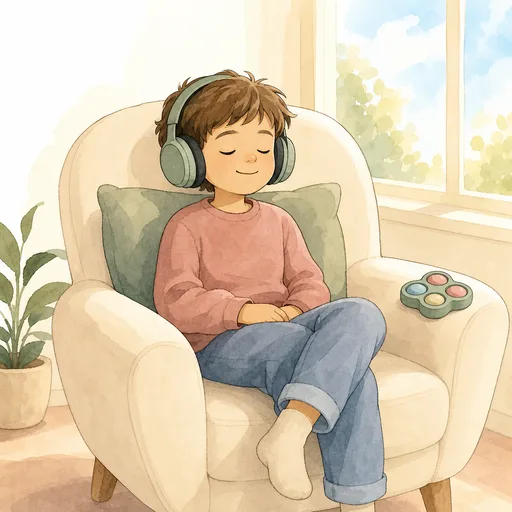
Oahu Without the Sensory Wall of Waikiki
The island rewards early mornings, calm lagoons, and knowing which resort sits on the quiet side of the enclave.
-
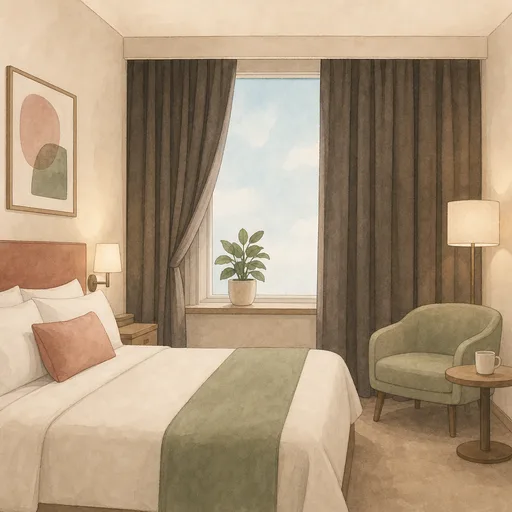
Oahu Low-Stimulation Travel
The island has genuinely quiet places. The work is sequencing them so you reach them before the crowds do.
-
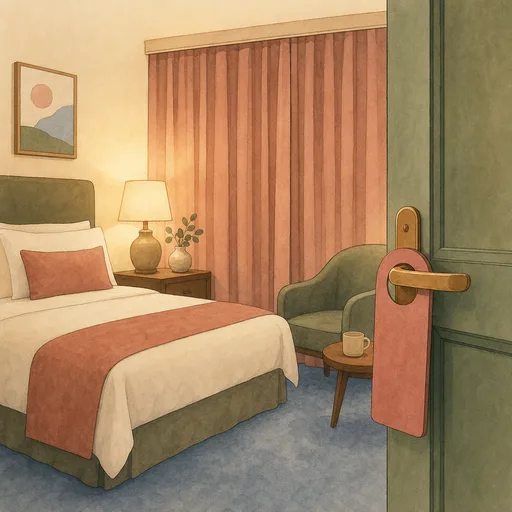
Quiet Hotels on Oahu: Where to Actually Sleep
The island isn't uniformly noisy - but you have to know which kind of quiet you're looking for.
-

Sensory-Friendly Oahu: Ko Olina vs. Waikiki
Ko Olina's lagoons were engineered for calm. Waikiki was not.
-
Wheelchair-Accessible Oahu: What's Actually Possible
The infrastructure is genuinely impressive. The gaps are specific - and you can plan around them.
Food
-

Eating Safely on Oahu: A Family Allergy Guide
The island is workable - if you know where the traps are before you land.
-
Oahu with Food Allergies
The island's food is extraordinary - and it overlaps with nearly every major allergen in ways most guides miss entirely.
-

Oahu with Picky Eaters: A Practical Guide
The food culture is proudly local. Your kid doesn't have to be.
Room Setup
-
Connecting Rooms in Oahu: Who Actually Guarantees It
The difference between a guaranteed connection and a front-desk argument at 11pm is knowing which hotels have actually solved this.
-
Family Suites in Waikiki and Ko Olina: What's Real
The word "suite" means something different in every Waikiki brochure. Here's what's actually behind the door.
-
Oahu Condos with Kitchens: What to Actually Book
The most consequential decision you'll make for this trip isn't the beach - it's the cooking setup.
On-Site Activities
-

Oahu Kids Clubs: Which Resort Actually Delivers
The best supervised drop-off programs on the island are free - but not where most families are staying.
-
Oahu Hotels with a Lazy River: One Resort, One River
There's exactly one hotel on the island that has one - and a few things you need to know before you book it.
-

Oahu Water Parks: Aulani, Wet 'n' Wild & More
One real park, one Disney complex that rivals it, and a Waikiki hotel that most families drive past without realizing it has a waterslide.
Powered by Mira
Tell Mira about your family
Two minutes of conversation. A shortlist of hotels that actually fit — connecting rooms, accessible layouts, calm floors, whatever your family needs.
AI travel agent · free to try
Talk to Mira Let Mira find the right hotels for your family. Find hotels with Mira
AI travel agent · free to try