
New York
Sensory-Friendly NYC
The buildings have done the work. The city between them is the variable you plan around.
AI travel agent · free to try
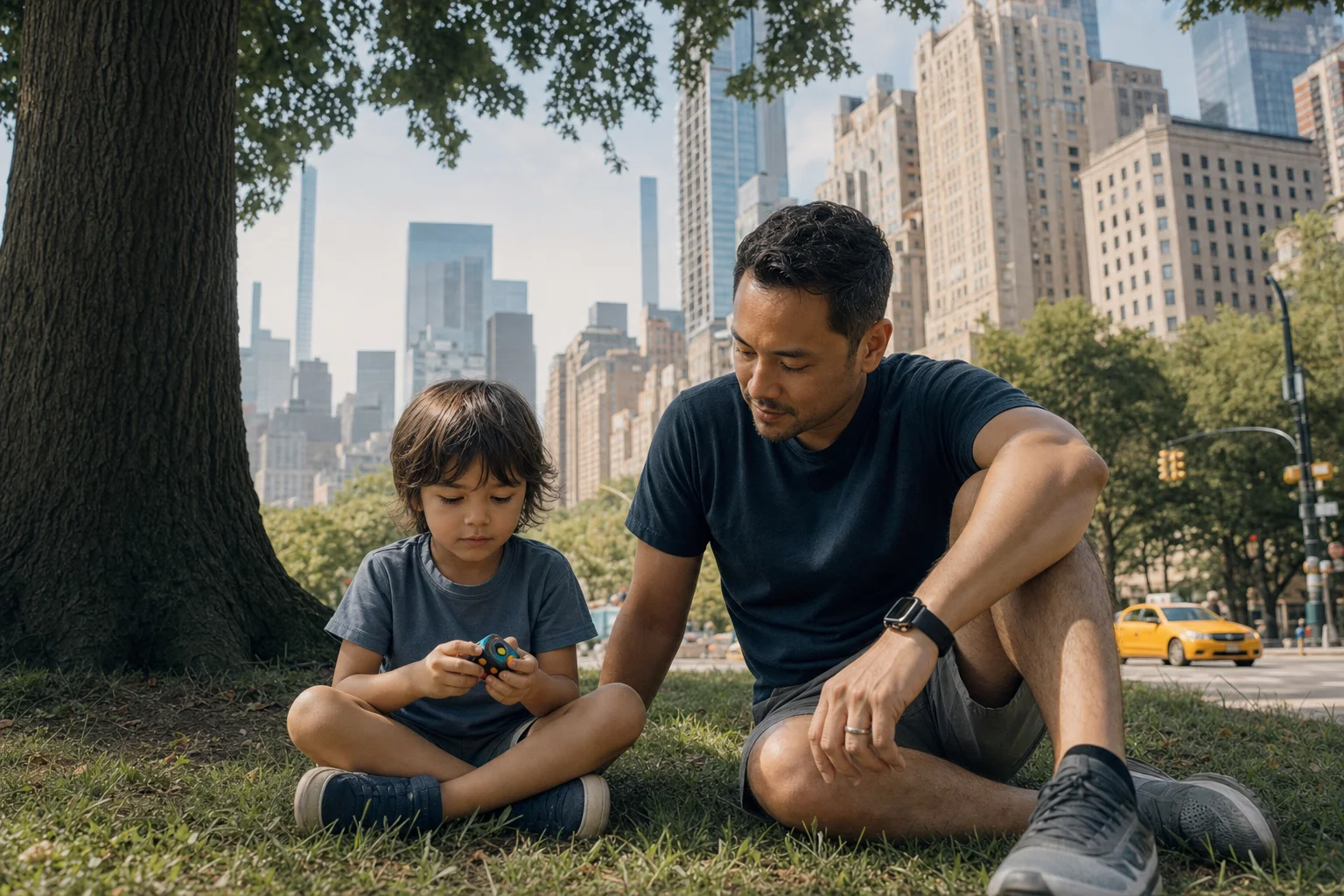
It’s 10:30 p.m. on day one. Your kid made it through Central Park and the AMNH dinosaurs and the walk back to the hotel, which surprised everyone. Then you opened the door of your Times Square room and the horns started, the bar across the street started laughing, the sirens started, and the kid who was fine forty minutes ago is wide awake and crying. NYC’s museums and venues have done the work - there is more real sensory programming in a thirty-minute Manhattan radius than in most American cities combined. The variable is everything between those buildings, and the room you sleep in at night.
The neighborhood decides the trip
Pick the hotel for the night. Times Square is loud in a way Google Maps doesn’t show - ambient light through curtains, sub-bass from clubs, sidewalk volume that doesn’t taper until dawn. A room there fights the city all night to give you a sleep window. The Tripadvisor shortlist for a quieter base barely changes: the Upper West Side near AMNH, NoMad south of Herald Square, the West Village, the Lower East Side around Bowery. Subway access from any of these reaches anywhere a Times Square hotel does, with the night belonging to you.
A short-term rental in the UWS or West Village beats a hotel for some kids - you keep the food rhythm you know works, pace the day instead of housekeeping, and skip the corridor-noise lottery.
Hotels we’d actually pick
Virgin Hotels New York City (NoMad)
The only NYC hotel in our research with formal Autism Double-Checked staff training, plus Virgin’s “Hotels with Heart: Reduced Rates for Practice Stays” - a discounted short booking framed as an acclimation visit before a longer trip, unmatched at any other major NYC hotel. ADA rooms have roll-in showers, tubs with grab bars, wider doorways, and lowered countertops. 1227 Broadway.
San Carlos Hotel (Midtown East)
Apartment-style suites near Grand Central with 36-inch doorways, roll-in showers, grab bars, and visual-plus-audible alarms. The suite layout gives a sensory retreat inside the room itself - a kid who needs to go quiet moves to another room. Midtown East is meaningfully quieter at night than Midtown West.
The Wallace (Upper West Side)
A calm UWS family base, repeatedly recommended on Tripadvisor. One-bedroom studios give a separable space, and the UWS sounds different after 9 p.m. than anywhere south of 59th Street. Walking distance to AMNH.
Holiday Inn Express Manhattan Times Square South - only with a high floor
If Times Square is non-negotiable, the trick is the floor. One guest on the 30th reported a near-silent night; another on a lower floor described horns and street voices all night. Confirm the floor at booking and check-in. Ask for connecting rooms by name: adjoining (side-by-side) is different from connecting (interior door), and the only reliable confirmation is calling the property.

Connecting versus adjoining is the booking trap nobody catches until check-in. Tell Mira your dates and side of town, and she’ll confirm the room category at the hotel by name before you commit.
AI travel agent
Attractions with real sensory programs - and how to actually book them
Almost all NYC sensory programming is registration-only and capped, and most families discover this at the front desk. Plan the week around the program calendars - they’re the constraint, and everything else flexes around them.
American Museum of Natural History - Discovery Squad
Third Saturday of every month, one hour before public opening. A 45-minute themed gallery tour followed by 45 minutes in the Discovery Room. Ages 5-14, free, advance registration required. Developed with the Seaver Autism Center at Mount Sinai and running since 2013 - the city’s most established sensory program.
The Met - Discoveries program plus social narratives
The Met publishes four downloadable social narratives covering different visit types, plus a Discoveries program (ages 5-17) that pairs a gallery tour with a hands-on tactile art project. If you do nothing else before the trip, download the narratives and walk through them at home so the visit is already familiar.
Intrepid Sea, Air & Space Museum - Early Morning Openings
Eight times a year, opening an hour before public hours (typically 8:30 to 11 a.m.). Two tracks: ages 3-18 with families, and ages 15+. Free, sensory bags at entry, registration through access@intrepidmuseum.org about a month ahead. Outdoor decks and concrete mechanical exhibits work well for kids who find abstract art galleries hard.
Whitney Museum - pre-opening sensory tours
Select Saturdays, 9:30 to 10:30 a.m., before the museum opens. Ages 6 and up, free with registration. Fidgets and noise-cancelling headphones on site, and hands-on art-making is built in - the hour ends with something made rather than just looked at.
NYC Ballet at Lincoln Center
An annual sensory-friendly Nutcracker (January 4, 2026, 1 p.m. for the 2025-26 season) plus one repertory performance in May. Lights and sound adjusted, relaxed entry and exit, downloadable visual schedule.
Madison Square Garden and Radio City - the Judge Sensory Room
The Aaron & Samantha Judge Sensory Room opened on the Garden’s concourse in April 2024 with KultureCity - adjustable lighting, bubble walls, Yogibo bean bags, fully wheelchair accessible. Available at any event; sensory bags with noise-canceling headphones and KultureCity VIP badges at guest services. Radio City is in the same certified group, which makes the Christmas Spectacular workable.
Sloomoo Institute - only the program hour
Third Thursday of every month, 10 to 11 a.m., with lowered sound, capped tickets, and pace-led stations. Outside that hour Sloomoo is loud and high-stim - skip the regular hours.
Broadway through TDF Autism Friendly Performances
The 2025-26 season is TDF’s 14th and largest - nine productions including Maybe Happy Ending, The Lion King, the Radio City Christmas Spectacular, Hell’s Kitchen, MJ The Musical, Hamilton, and & Juliet. House lights dimmed about 30%, reduced loud noises and strobes, staffed quiet break areas in every lobby. Tickets release 6-8 weeks before each show and sell out in 24-48 hours through TDF’s site only, with a verified Theater Access subscription. Find the show your kid will sit through and book the trip around it.
Half of these cap registration and fill in 48 hours, and the calendars don’t line up. Send Mira your travel window and she’ll align the museum mornings, the ballet, and the TDF performance into a single workable week.
AI travel agent
Quiet places to retreat to when the city gets loud
Roosevelt Island is the answer everyone underuses. The tram from 2nd Avenue and 59th Street costs one MetroCard swipe and peaks at 250 feet over the East River. The island has a long flat promenade and Four Freedoms Park at the southern tip; weekday mornings between 10 a.m. and 3 p.m. are the quietest window.
The Brooklyn Botanic Garden Conservatories are consistently called the quietest indoor green space in the five boroughs by autistic adults living in the city. Café Joyeux at 599 Lexington is the first inclusive coffee shop in Manhattan - 75% of the team are people with intellectual and developmental disabilities, and the room is small and calm. Lunch near Grand Central that’s actively low-noise rather than incidentally quiet.
Getting around when the subway isn’t the answer
Only 117 of 472 NYC subway stations are fully accessible, and the MTA elevator map shows outages that aren’t always current. Treat the subway as one option among several. Buses kneel to the curb at every stop and run meaningfully quieter than subway cars. NYC Ferry on a weekday is the calmest of the three - outdoor air, fixed route.
KultureCity’s “Let’s Map Neu York” (launched April 29, 2025) is a crowd-sourced Google Map of 125 starter Manhattan locations rated on noise, lighting, seating, wayfinding, and accessibility. Pull it up before you decide where to go for the next hour.
The airports
All three NYC airports run the Hidden Disabilities Sunflower lanyard program - free at Welcome Centers, no ID needed. Newark Terminal A is the best-equipped: two sensory rooms (one pre-security, one post-security at 1,400 square feet) with sea life projections, an interactive bubble tube wall, and a replica aircraft cabin for kids who find boarding the hardest part of the flight. JFK has post-security quiet rooms in Terminals 1 and 4. LaGuardia Terminal C has a sensory room with bean bag chairs and egg-shaped swaying seats; Terminal B issues KultureCity sensory bags at guest services. If Terminal A at Newark is on the table, take it.
Frequently Asked Questions
Should we stay in Times Square or somewhere quieter?
How do we get sensory-friendly Broadway tickets?
What's the best NYC museum if my kid only handles one a day?
Are the airports actually set up for this?
Are there quiet rooms at Madison Square Garden?
Is the subway doable?
More articles about Nyc
Destination Guide
-

NYC Family Vacation Guide (2026)
Most families pick the hotel last and the neighborhood never - and those two skipped decisions shape everything from transit to sleep quality to what the day actually costs.
-
NYC for First-Time Visitors
The order you do things matters more than the list of things you do.
Who's Traveling
-
NYC for Large Families: The 4-Person Rule
Five or six people, one Manhattan trip - the booking choices are different here, and most listicles won't tell you why.
-

Multi-Generational NYC: What Actually Works
Three generations, three different paces - here's how to keep the slowest member of the group in the trip.
-
NYC with a Baby
The trip lives or dies on whether the crib actually fits beside the bed.
-
NYC With Grandparents: A Pacing-First Guide
Your hotel is the second living room - the place you sleep between attractions is a different category of building.
-

NYC with School-Age Kids: A Useful Guide
Pick a base, pick 2-3 things a day, and let the subway do the rest.
-
NYC With Teens: A Trip That Doesn't Feel Like a Checklist
The trip works when teens help build it, and when you skip the famous things that consistently flop with their age group.
-

NYC with a Toddler
Book the room with a kitchenette and learn the elevator map - the rest of the trip is execution.
Sensory & Accessibility
-
NYC Sensory-Friendly Programs: Book the Event First
The calendar is the plan. Everything else builds around what you book first.
-
Low-Stimulation NYC: Plan the Architecture First
The programming exists. The trip depends on booking it before you pack.
-
Quiet Hotels in NYC for Families
Getting a good night's sleep in New York starts with picking the right block - the room type comes second.
-
Wheelchair-Accessible NYC: What Actually Works
The hotel is the easy part. The transit mix is the trip.
Food
-

Eating in NYC with Dietary Restrictions
The city is genuinely good at this - but "gluten-free options" and "dedicated kitchen" are two very different things.
-

Food Allergy-Friendly NYC: What Actually Works
The city has the infrastructure. Unlocking it takes about 20 minutes of prep before you land.
-

NYC with Picky Eaters: What Actually Works
The city has more safe options than you think. A few specific traps will burn you if you don't know to avoid them.
Room Setup
-
NYC Connecting Rooms: How to Get a Real Guarantee
Most NYC hotels will take your connecting-room request and sort it out when you arrive. A small number will actually hold it.
-
NYC Family Suites: What to Actually Book
The word "suite" covers a lot of ground in Manhattan - here's how to tell the difference before you arrive.
-
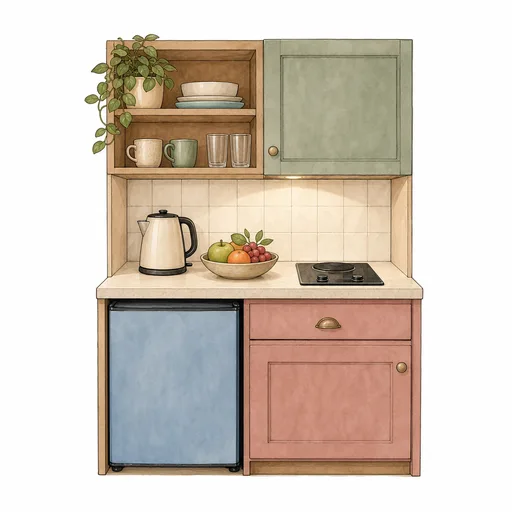
NYC Hotels with Kitchenettes for Families
The label means nothing. The appliance list is everything.


Powered by Mira
Tell Mira about your family
Two minutes of conversation. A shortlist of hotels that actually fit — connecting rooms, accessible layouts, calm floors, whatever your family needs.
AI travel agent · free to try
Talk to Mira Let Mira find the right hotels for your family. Find hotels with Mira
AI travel agent · free to try