
New York
Multi-Generational NYC
Three generations, three different paces - here's how to keep the slowest member of the group in the trip.
AI travel agent · free to try

You land at JFK with two kids, two grandparents, and a plan that looked reasonable on the map. By the third subway transfer with a stroller and a walker, somebody is in tears because the only working elevator at the station is out of service. The hard part of multi-generational NYC is not finding things to do. The hard part is matching transportation and pacing to wildly different energy curves, and the booking choices you make before you fly determine whether the slowest member of your group stays in the trip or spends two afternoons in the hotel room.
The 2-bedroom suite beats the connecting-room book
The default multi-gen recommendation across most NYC family-hotel listicles is “request connecting rooms.” This is bad advice, and the reason is structural. Only two brands in NYC actually guarantee connecting rooms at booking: Hilton, through its Confirmed Connecting Rooms program launched in 2021, and Loews, through Connecting Comfort. Every other chain treats “connecting” as a preference the front desk tries to honor at check-in. One real Marriott Marquis reviewer landed to find non-adjoining rooms on the same floor without enough beds for the group.
The cleaner answer for most three-generation trips is a 2-bedroom suite. One reservation, one unit, two bathrooms, a kitchenette, no allocation lottery. Grandparents can nap behind a real door while parents take kids to the park. Breakfast happens in pajamas. The mid-day return is the single most important pacing tool on the trip, and it actually works because everyone walks into the same address.

Whether the suite or the Hilton/Loews guarantee is the better fit comes down to your group’s exact size, neighborhood priorities, and whether anyone needs the brand-level guarantee in writing. Tell Mira who’s coming and she’ll point you at the format that fits.
AI travel agent
Hotels we’d actually pick
Loews Regency New York
The strongest brand-level multi-gen offering in the city, and most NYC family-hotel listicles never name it. Park Avenue on the Upper East Side, walking distance to the Central Park Zoo and the Met. Loews’s Connecting Comfort program guarantees the connecting rooms at booking and includes a daily food and beverage credit. The family loaner gear program covers cribs, bed rails, playpens, outlet covers, humidifiers, board games, and PlayStations. Honest weak point: recent Tripadvisor 2- and 3-star reviews flag inconsistent AC service and dated bathrooms in some older rooms, so ask about renovated inventory at booking.
Hotel Beacon
Broadway at 75th Street on the Upper West Side, the right pick for families who want a neighborhood rather than a hotel lobby. The 2-bedroom suite runs 800 square feet, sleeps six, and has two marble bathrooms and a real kitchenette. Trader Joe’s and Fairway Market across the street solve breakfast and snacks for a group that doesn’t want to negotiate a restaurant order three times a day. The American Museum of Natural History and Central Park are walkable. Trade-offs are real: the elevators are slow, the building shows its age, and some rooms sit next to long-term residential rentals whose neighbors management cannot control.
Sonesta Garden Suites Upper East Side
A quiet residential block near the Met and Central Park, with 2-bedroom suites that sleep up to six and full kitchens. Useful when grandparents want to actually cook breakfast. Grocery delivery to the unit closes the loop on the “we have a kitchen but nobody wants to shop” problem.
New York Marriott Marquis
Times Square, worth it specifically when Broadway is the anchor and walking to the theater matters more than residential calm. Family Connector configurations sleep six to eight, standard rooms start at 430 square feet. The fine print: rollaway beds are not permitted in any room type, sleeping six requires the pull-out sofa, and the connecting-room request can fail at check-in. If a guaranteed connection is what you need, Loews Regency or a Hilton property is the firmer answer.
Best Western Plus Hospitality House
Midtown East, all-suite property, 700 to 1,100 square feet per suite with full kitchens and free breakfast included. The right call when budget drives the decision and the group treats the suite like a Manhattan apartment instead of a hotel room.
Getting around without losing the grandparents
Fewer than a third of NYC subway stations have step-free access, and the elevators that do exist break often enough that the MTA publishes live outage status at mta.info/elevator-escalator-status. For a group with anyone using a walker, wheelchair, scooter, or knee replacement, planning a subway trip is more like planning around a Disney ride wait time than picking the fastest route.
Every NYC bus kneels on request, has a ramp, and the drivers will help secure a mobility device. Buses run slower than the subway and they’re also the reliable transit option for any group whose slowest member depends on the elevator being there, so build buses into the plan as the default and budget cabs and rideshare as a planning expense rather than a luxury.
Three anchor days that hold up
The pacing rule from every experienced multi-gen NYC source: two anchor activities a day, an afternoon return to the hotel for a nap or a quiet hour, and an empty day somewhere in the middle of the trip. Stack five things in a day and the third one is where someone hits a wall.
A worked example. Day one, Central Park in the morning. The Reservoir loop is 1.58 miles on a soft, slightly springy surface, and the Conservancy publishes both an accessibility map and an annually updated bench location map for grandparents who want to sit while the kids run. Walk over to the American Museum of Natural History, where loaner wheelchairs are free first-come first-served at every public entrance. Dinner on the Upper West Side and you’re done.
Day two, take a harbor cruise that loops past the Statue of Liberty instead of climbing it. AARP-documented Phoenix grandparents Neoma and David Osburn picked the cruise over the climb and called it their favorite thing on the trip. Afternoon hotel break. Broadway at night, with Carmine’s beforehand for family-style portions that feed three off one entree and take reservations for groups of eight or more.
Day three, the Met in the morning and the Central Park Zoo in the afternoon, both walkable from an Upper East Side hotel. Or the Time Out Market in Dumbo, where a group that can’t agree on a cuisine orders from five different stalls and sits together with Brooklyn Bridge and Jane’s Carousel out the window.
The right itinerary for your group depends on which museum the kids actually want, which neighborhood the hotel lands in, and how many afternoon returns the group needs. Tell Mira your dates and your group and she’ll plot out a pacing that fits.
AI travel agent
Pitfalls we keep seeing
The connecting-room assumption
Hilton’s Confirmed Connecting Rooms and Loews’s Connecting Comfort are the two brand-level guarantees in the city; at every other chain “connecting” is a request the front desk tries to honor when you arrive, which means a 2-bedroom suite is the format that actually removes the allocation risk.
Times Square as a base
Dense crowds, costumed performers asking for tips, ambient noise until 2am, and a long walk to most non-Broadway attractions. The Upper West Side, Upper East Side, and Midtown East are quieter bases that still get you to a Broadway show in a 20-minute cab ride.
Double strollers in tight spaces
The American Museum of Natural History bans double strollers in ticketed exhibition galleries, and many NYC shops and sidewalks are too narrow for them anyway. Single strollers, lightweight collapsible models, or carriers are the working answer for the youngest kids in the group.
The skip-gen consent gap
For US-domestic travel, a notarized parent-consent letter for grandkids isn’t legally required, but every skip-gen resource recommends one. The letter authorizes emergency medical treatment and lists the kid’s insurance, which matters when an ER can otherwise refuse non-emergency care and TSA can ask hard questions at the gate.
July and August humidity
Manhattan summer is humid, subway platforms are dramatically hotter than the street, and for grandparents the heat is a real planning constraint. Late April through early June and mid-September through early November are the lower-stress windows. December earns its crowds with Hudson Yards’s Shine Bright installation and the Dyker Heights Christmas lights in Brooklyn, both of which run guided bus tours that work for grandparent-inclusive groups.
Frequently Asked Questions
Do NYC hotels guarantee connecting rooms?
Is the NYC subway accessible for grandparents who can't do stairs?
What's the best NYC neighborhood for a multi-gen base?
How do you visit the Statue of Liberty with grandparents who can't climb?
How many days do you need for a multi-gen NYC trip?
More articles about Nyc
Destination Guide
-

NYC Family Vacation Guide (2026)
Most families pick the hotel last and the neighborhood never - and those two skipped decisions shape everything from transit to sleep quality to what the day actually costs.
-

NYC for First-Time Visitors
The order you do things matters more than the list of things you do.
Who's Traveling
-
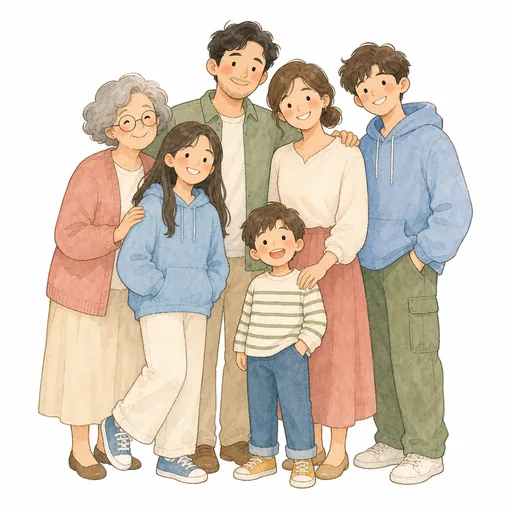
NYC for Large Families: The 4-Person Rule
Five or six people, one Manhattan trip - the booking choices are different here, and most listicles won't tell you why.
-
NYC with a Baby
The trip lives or dies on whether the crib actually fits beside the bed.
-
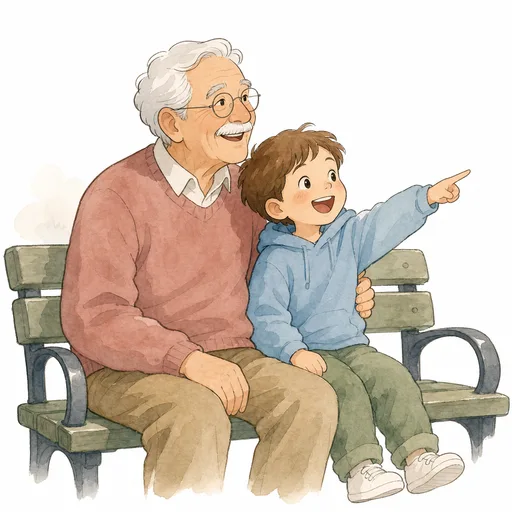
NYC With Grandparents: A Pacing-First Guide
Your hotel is the second living room - the place you sleep between attractions is a different category of building.
-

NYC with School-Age Kids: A Useful Guide
Pick a base, pick 2-3 things a day, and let the subway do the rest.
-

NYC With Teens: A Trip That Doesn't Feel Like a Checklist
The trip works when teens help build it, and when you skip the famous things that consistently flop with their age group.
-

NYC with a Toddler
Book the room with a kitchenette and learn the elevator map - the rest of the trip is execution.
Sensory & Accessibility
-

NYC Sensory-Friendly Programs: Book the Event First
The calendar is the plan. Everything else builds around what you book first.
-

Low-Stimulation NYC: Plan the Architecture First
The programming exists. The trip depends on booking it before you pack.
-

Quiet Hotels in NYC for Families
Getting a good night's sleep in New York starts with picking the right block - the room type comes second.
-

Sensory-Friendly NYC: Where the City Actually Quiets Down
The buildings have done the work. The city between them is the variable you plan around.
-

Wheelchair-Accessible NYC: What Actually Works
The hotel is the easy part. The transit mix is the trip.
Food
-

Eating in NYC with Dietary Restrictions
The city is genuinely good at this - but "gluten-free options" and "dedicated kitchen" are two very different things.
-

Food Allergy-Friendly NYC: What Actually Works
The city has the infrastructure. Unlocking it takes about 20 minutes of prep before you land.
-

NYC with Picky Eaters: What Actually Works
The city has more safe options than you think. A few specific traps will burn you if you don't know to avoid them.
Room Setup
-

NYC Connecting Rooms: How to Get a Real Guarantee
Most NYC hotels will take your connecting-room request and sort it out when you arrive. A small number will actually hold it.
-

NYC Family Suites: What to Actually Book
The word "suite" covers a lot of ground in Manhattan - here's how to tell the difference before you arrive.
-
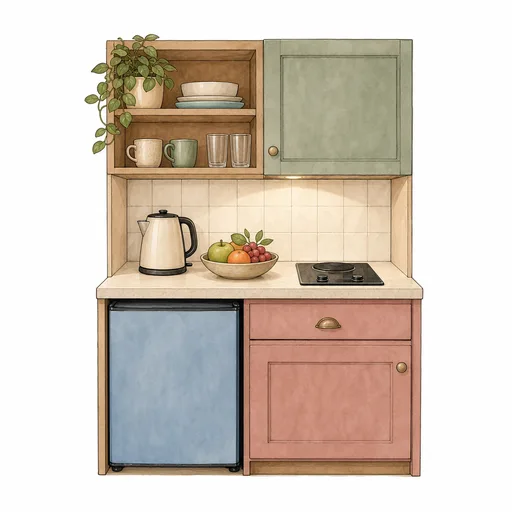
NYC Hotels with Kitchenettes for Families
The label means nothing. The appliance list is everything.


Powered by Mira
Tell Mira about your family
Two minutes of conversation. A shortlist of hotels that actually fit — connecting rooms, accessible layouts, calm floors, whatever your family needs.
AI travel agent · free to try
Talk to Mira Let Mira find the right hotels for your family. Find hotels with Mira
AI travel agent · free to try