
New York
NYC's Sensory-Friendly Programming, Explained
The calendar is the plan. Everything else builds around what you book first.
AI travel agent · free to try
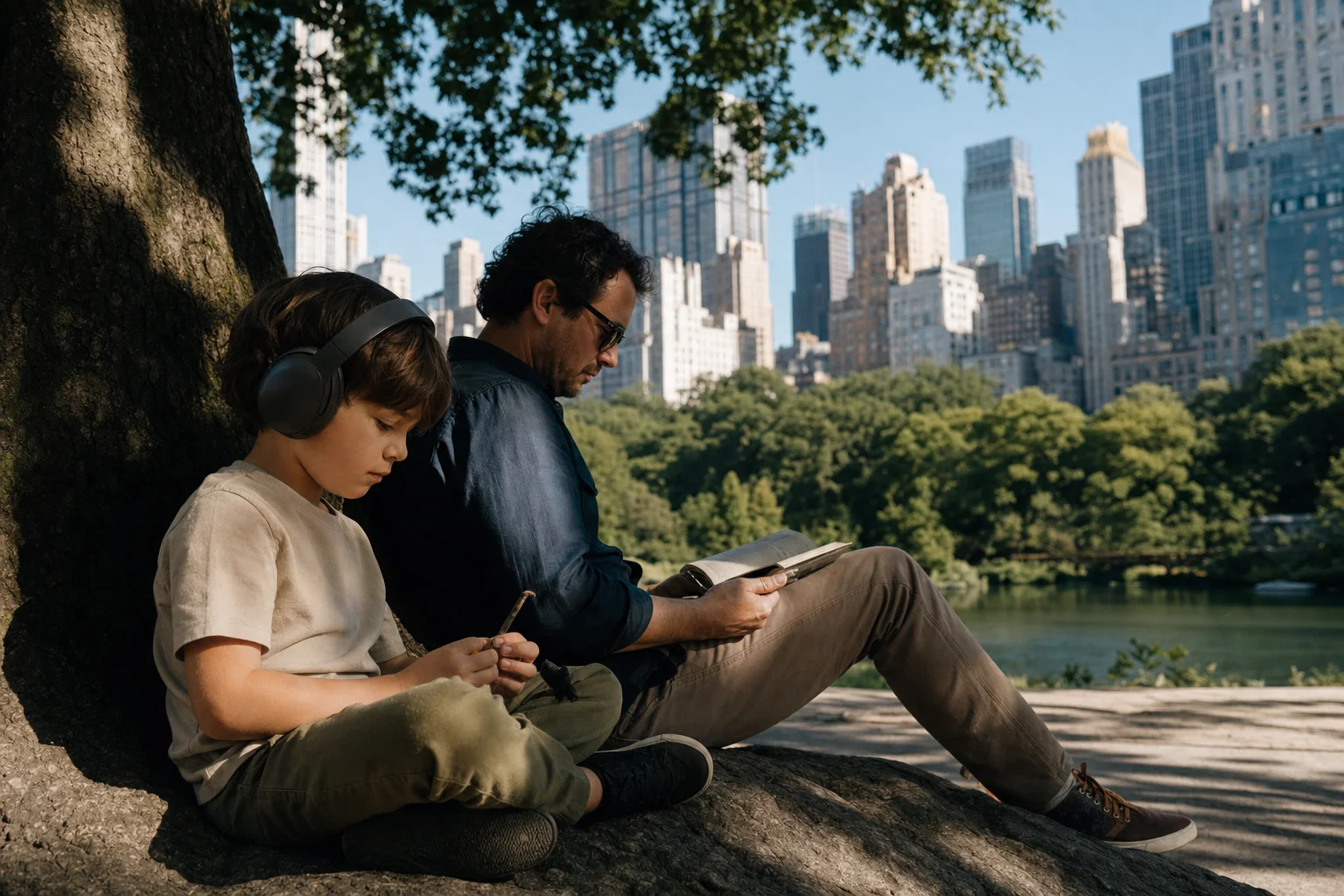
The TDF Autism Friendly Performances are in their 14th season, and Hamilton for May 2026 is already sold out. That’s the orientation you need going in: NYC has more named, structured sensory programming than almost any other American city, and most of it books out weeks in advance. The families who plan around a show or a Discovery Squad morning wind up with a coherent trip. The families who plan the trip first and search for programming after often find the slots gone.
Why the calendar comes first
NYC’s sensory-friendly programming is exceptional precisely because it’s formalized and named, which also means it’s capped and scheduled. TDF Autism Friendly Performances happen once per production per season. The AMNH Discovery Squad runs on the third Saturday of each month, registration required. The Intrepid Museum’s Early Morning Openings run eight times a year. New Victory Theater designates specific sensory-friendly performances alongside its accommodated regular shows. These aren’t drop-in options you can slot into any available weekend - they are the anchors, and a week in NYC that works is usually built around at least one of them.
The practical step: before you book flights, check the TDF calendar at tdf.org and the AMNH event page for Discovery Squad registration windows. Find what’s available in your travel window. Book it. Then book the hotel and flights.

Tell Mira your travel window and which programs are on your list - she can check what’s available and flag the lead times before you lock in flights.
AI travel agent
How the theater programs actually differ
Three programs run in parallel, and they solve different problems. Getting them confused is easy from a Google search result; understanding the difference changes which one you book.
TDF Autism Friendly Performances
TDF buys out every seat in the house. The whole audience is families in the same situation - there’s no mixed crowd to navigate, no one reacting to your child’s sounds or movements, no ambient social pressure. The performance itself is modified: loud audio bursts are reduced, strobe lights removed, house lights kept dimmed but on throughout. Visual Narratives and Character Guides are sent before the show. Staffed break areas in the lobby. The 2025-26 season is TDF’s 14th and includes Maybe Happy Ending at the Belasco, The Lion King at the Minskoff, the Christmas Spectacular at Radio City Music Hall, MJ The Musical at the Neil Simon, and Hamilton. Account registration at tdf.org is required before tickets release; Hamilton sold out before research was completed.
New Victory Theater
New Victory is the sleeper recommendation most NYC sensory guides undersell. The theater offers accommodations at every single show - you don’t have to find the one designated performance. The Cozy Zone, downstairs near the lockers, has coloring sheets, sensory fidgets, and a live video feed of the performance so you can step out without losing the show. The Accessibility Table at the door stocks free ear defenders, fidget tools, light-sensitivity glasses, and assistive listening devices. Advance “meet your seat” visits are available when the theater is quiet. For families who can’t predict when they’ll need an exit, every-show infrastructure is more useful than a once-a-season buyout.
Seats on the Spectrum
This is a mainstream-performance access program rather than a modified production. You get an aisle seat near an exit, sensory bags available for purchase, and flexible entry timing to avoid crowd peaks. The performance runs at full volume with a regular audience. It’s the right tool for children who can handle a standard show with logistical adjustments but need an exit strategy. It’s not the right tool for children who need the audio modified or the crowd composition controlled.
The best museum slots - and how to actually get them
AMNH Discovery Squad
Third Saturday of each month, before public opening. A 45-minute themed gallery tour followed by 45 minutes of free play in the Discovery Room, developed in partnership with the Seaver Autism Center at Mount Sinai. Ages 5-12, free, advance registration required. This is the most established structured low-stimulation museum program in NYC - it has been running since before most comparable programs existed in other cities. The Sensory Room (beanbags, spinning chairs, weighted pillows, noise-dampening headphones) stays open during regular hours and requires no registration, so it’s available even if Discovery Squad is full.
Intrepid Sea, Air and Space Museum - Early Morning Openings
Eight times a year, an hour before public opening, with two tracks: ages 3-18 with families, and ages 15 and up. Free, sensory bags at entry, registration through access@intrepidmuseum.org roughly a month ahead. The outdoor decks and mechanical exhibits - aircraft, submarines, spacecraft - work well for children who find gallery-style museums with abstract art difficult. Concrete things you can stand next to and look at.
Complete Playground (30 Broad Street, Financial District)
The only dedicated Snoezelen sensory room inside a NYC indoor play space, with a low-frequency vibration chair, tactile wall panel, bubble tube, and minimal visual clutter. On-site occupational and sensory therapy. One practical advantage of the Financial District location: Wall Street empties on weekends, and the surrounding streets are among the quietest in Manhattan on a Saturday morning.
SUMMIT One Vanderbilt
The observation deck has grey “privacy paths” - non-reflective walkways along interior walls through the mirrored rooms - designed as a less-stimulating route. The Celebration Theater with bright flickering lights can be skipped by telling staff at the entrance. Earplugs and sunglasses available at the desk. Elevator soundscapes can be disabled on request. Submit accessibility requests at least three weeks ahead via summitov.com.
The museum programs have short registration windows and small caps - AMNH Discovery Squad especially. Tell Mira which month you’re traveling and she can map the third Saturday Discovery Squad against the Intrepid schedule and build a week that doesn’t clash.
AI travel agent
Neighborhoods and where to sleep
The hotel isn’t just logistics - it’s the base the day resets against, and the neighborhood it sits in determines what the sidewalk feels like at 8am and 10pm.
Upper West Side base
Two blocks east of Hotel Beacon puts you at Central Park. Two blocks west puts you at Riverside Park. The AMNH Discovery Squad is a short walk. The street grid here is residential - wide sidewalks, trees, significantly lower ambient noise than Midtown. Hotel Beacon has full kitchenettes in every room, which matters for families who need to keep food routines predictable. The soundproofing draws consistent mentions in parent reviews: one guest on the 16th floor reported street noise was effectively absent. Not certified, but consistently the real-parent recommendation for this type of trip.
Virgin Hotels New York (NoMad)
The only NYC hotel in our research with formal Autism Double-Checked certification. Two-chamber room design for noise separation, controllable lighting, blackout shades, door alarms for companion awareness. The Hotels with Heart practice-stay program is real and available, but largely unreviewed by independent guests - all coverage found was from press releases. Frame it as an available option worth calling to confirm, rather than a proven product.
San Carlos Hotel (Midtown East)
36-inch doorways, accessible lobby ramp, roll-in showers with grab bars, visual alarms, 10 minutes from Grand Central. Midtown East is meaningfully quieter at night than Midtown West or the Times Square corridor. Featured in iloveny.com’s official programming itinerary for this type of trip.
One consistent finding across parent travel forums: Times Square is loud in a way hotel listings don’t communicate. Ambient light comes through curtains. Street-level noise stays elevated past midnight. The Upper West Side, NoMad, and Midtown East consistently get recommended as the practical alternative.
The day trip most NYC guides don’t mention
Rhinebeck, NY is 90 minutes north of Grand Central by Amtrak or Metro-North - and it’s the first certified Autism Supportive Community in the United States. The Anderson Center for Autism trained 68% of local businesses in sensory-aware service practices. Specific participating places include Terrapin restaurant (reduced noise dining) and Samuel’s Sweet Shop (soft, warm lighting). Metro-North offers half-price disability fares, and personal care attendants ride free.
LEGOLAND New York in Goshen is 60 miles from Midtown - about 90 minutes by car, with no practical public transit connection. Plan it as a day trip. The park is an IBCCES Certified Autism Center with a DUPLO Family Care area containing quiet rooms with dimmable lighting and sensory swings, plus per-ride sensory guides rating touch, taste, sound, smell, and sight for every attraction.
Frequently Asked Questions
What is the difference between TDF Autism Friendly Performances and Seats on the Spectrum?
How far in advance do TDF sensory-friendly shows sell out?
Does the American Museum of Natural History require advance booking for sensory programming?
Which NYC hotel has formal sensory-specific staff training?
Is the NYC subway manageable for children who are sensitive to unpredictable environments?
More articles about Nyc
Destination Guide
-

NYC Family Vacation Guide (2026)
Most families pick the hotel last and the neighborhood never - and those two skipped decisions shape everything from transit to sleep quality to what the day actually costs.
-

NYC for First-Time Visitors
The order you do things matters more than the list of things you do.
Who's Traveling
-
NYC for Large Families: The 4-Person Rule
Five or six people, one Manhattan trip - the booking choices are different here, and most listicles won't tell you why.
-

Multi-Generational NYC: What Actually Works
Three generations, three different paces - here's how to keep the slowest member of the group in the trip.
-
NYC with a Baby
The trip lives or dies on whether the crib actually fits beside the bed.
-
NYC With Grandparents: A Pacing-First Guide
Your hotel is the second living room - the place you sleep between attractions is a different category of building.
-

NYC with School-Age Kids: A Useful Guide
Pick a base, pick 2-3 things a day, and let the subway do the rest.
-
NYC With Teens: A Trip That Doesn't Feel Like a Checklist
The trip works when teens help build it, and when you skip the famous things that consistently flop with their age group.
-

NYC with a Toddler
Book the room with a kitchenette and learn the elevator map - the rest of the trip is execution.
Sensory & Accessibility
-
Low-Stimulation NYC: Plan the Architecture First
The programming exists. The trip depends on booking it before you pack.
-
Quiet Hotels in NYC for Families
Getting a good night's sleep in New York starts with picking the right block - the room type comes second.
-

Sensory-Friendly NYC: Where the City Actually Quiets Down
The buildings have done the work. The city between them is the variable you plan around.
-
Wheelchair-Accessible NYC: What Actually Works
The hotel is the easy part. The transit mix is the trip.
Food
-

Eating in NYC with Dietary Restrictions
The city is genuinely good at this - but "gluten-free options" and "dedicated kitchen" are two very different things.
-

Food Allergy-Friendly NYC: What Actually Works
The city has the infrastructure. Unlocking it takes about 20 minutes of prep before you land.
-

NYC with Picky Eaters: What Actually Works
The city has more safe options than you think. A few specific traps will burn you if you don't know to avoid them.
Room Setup
-
NYC Connecting Rooms: How to Get a Real Guarantee
Most NYC hotels will take your connecting-room request and sort it out when you arrive. A small number will actually hold it.
-
NYC Family Suites: What to Actually Book
The word "suite" covers a lot of ground in Manhattan - here's how to tell the difference before you arrive.
-
NYC Hotels with Kitchenettes for Families
The label means nothing. The appliance list is everything.


Powered by Mira
Tell Mira about your family
Two minutes of conversation. A shortlist of hotels that actually fit — connecting rooms, accessible layouts, calm floors, whatever your family needs.
AI travel agent · free to try
Talk to Mira Let Mira find the right hotels for your family. Find hotels with Mira
AI travel agent · free to try