
New York
Low-Stimulation NYC
The programming exists. The trip depends on booking it before you pack.
AI travel agent · free to try

The programs are real. Bronx Zoo runs structured early-morning sessions before the zoo opens. The Intrepid opens once a month for families, quiet and uncrowded, an hour before anyone else gets in. Broadway has a whole pipeline for modified performances that most people only discover after buying the wrong tickets. NYC has built more named, timed, low-crowd programming than almost any American city - and the families who leave disappointed are the ones who tried to do it spontaneously.
The trip requires architecture
A standard NYC family trip is shaped by proximity: stay near the park, hit the museums between meals, figure out the subway as you go. A low-stimulation trip runs on a different order of operations - the programs are the constraint, and everything else, including where you sleep and how you move between places, arranges itself around them.
Intrepid Early Morning Openings fill within days of registration opening one month out. AMNH’s Discovery Squad runs once a month. Bronx Zoo Sensory Sensitive Morning sessions are ticketed, limited, and themed - they sell out individually. TDF’s Broadway sensory shows release 6-8 weeks before each performance and go in 24-48 hours. None of these are walk-in options.
Build the itinerary backward: confirm the program slots first, then choose the hotel by which neighborhood makes the days between programs easier, then plan parks and drop-in activities around the gaps. A family that shows up without registered slots often finds every timed program for the week already full.
Where to sleep matters more than any single day out
Neighborhood selection is the most load-bearing decision on this trip, and it’s what most hotel searches skip.
Times Square hotels come up in searches because they’re central. The problem is ambient - light through curtains at 2 a.m., club sound from below, a sidewalk that doesn’t quiet until near dawn. A child who held up fine all day through Central Park and a museum can hit a wall the moment you open the hotel room door and the city is still right there.
Hotel Beacon (Upper West Side)
Walking distance to Central Park, the American Museum of Natural History, and multiple subway lines, on a residential stretch of Broadway that doesn’t share Midtown’s sound profile. Rooms on the 15th floor and above are confirmed quiet by multiple reviewers - one described the 16th floor as having “not even a whisper of street noise.” Every room has a kitchenette: two-burner stove, microwave, mini-fridge. When a day out has used up everyone’s reserves, eating a meal in the room is more than convenience. Caveat: the Beacon Theatre sits next door, and bar traffic picks up on performance nights. Request an upper floor facing away from the theater side.
Luma Hotel Times Square (West 41st St)
Counter-intuitive, but the research holds up. The hotel’s “Urban” rooms on the back of the building face a low-foot-traffic side street, and multiple independent family reviewers have rated them as quiet despite the address - one family of four called their interior room “quieter than our home in the countryside.” Bryant Park is a five-minute walk. Good choice for families whose itinerary is built around Midtown museums and TDF Broadway shows.
The Prince Kitano New York (Murray Hill)
Murray Hill’s stretch of Park Avenue is residential in a way that the tourist corridors aren’t, and the Kitano sits in that quiet. Soundproof windows confirmed. Rooms run larger than the NYC average, and suites with separate living areas let a sleeping child occupy one room while the rest of the family isn’t frozen in the dark. Good base if the Intrepid or TDF Broadway are the anchor bookings.
Mint House at 70 Pine (Financial District)
The Financial District empties on weekends in a way Manhattan’s other neighborhoods don’t. Mint House is an aparthotel with full kitchens, in-unit washers and dryers, and studio through two-bedroom units - the strongest option for a longer stay where the room needs to function as a genuine decompression base.

The hotel choice on a low-stimulation NYC trip is doing more work than usual - Kitano versus Beacon versus Luma depends on where your program bookings land. Tell Mira your confirmed program dates and she’ll match the neighborhood to the itinerary.
AI travel agent
Programs worth booking before you book flights
Bronx Zoo Sensory Sensitive Mornings
Structured 90-minute sessions on select weekend mornings, 9-10:30 a.m., before general opening. Each session focuses on one exhibit area - Giraffes, Mouse House, Children’s Zoo, or World of Darkness - so the morning has a defined scope. Sensory bags with noise-canceling headphones, fidget tools, and visual cue cards provided. The zoo is also KultureCity-certified year-round, with permanent Headphone Zones and Quiet Areas signposted throughout, so the visit works even outside the paid sessions.
Intrepid Museum Early Morning Openings
Free, which is unusual for something this structured. Check-in 8:30-9:30 a.m., museum opens to the public at 10 a.m. Each session is themed (“Sea Signals: Communication Aboard,” “Soaring Science: Forces behind Flight”). Sensory bag at entry. Registration opens one month before each date - contact access@intrepidmuseum.org once you have travel dates confirmed.
AMNH Discovery Squad
Third Saturday of every month, 9-10 a.m., before public opening. A 45-minute themed gallery tour, then 45 minutes in the Discovery Room. Ages 5-12, free, developed with the Seaver Autism Center at Mount Sinai. Registration through amnh.org/plan-your-visit/accessibility. It’s been running long enough to have a community around it - the registration window closes fast.
TDF Broadway sensory-friendly performances
TDF’s Autism Theatre Initiative is in its 14th season as of 2025-26. Shows include Maybe Happy Ending, Hell’s Kitchen, Hamilton, and & Juliet. House lights stay dimmed but on, jarring sounds and strobes aimed at the audience are reduced, break areas staffed throughout. Tickets are available only through TDF’s website via a sign-up form - Ticketmaster and the box office don’t carry them. They release 6-8 weeks before each show and sell out in under 48 hours. Find the production that works for your family and plan the rest of the trip around it.
New York Hall of Science Sensory Saturdays (Queens)
Every Saturday, 10-11 a.m., no registration required. Lights dimmed, sound reduced, sensory backpacks at the admissions desk. The museum is in Flushing, Queens - 20-30 minutes from Midtown by subway - and it’s the one major weekly drop-in program in NYC, worth the trip for families whose schedule didn’t align with the advance-registration options.
The programs above have different registration windows, different lead times, and different days of the week - getting them into a single coherent itinerary takes some work. Tell Mira your travel dates and she’ll map out what’s available and what to register for first.
AI travel agent
Parks and drop-in options
Central Park has eight designated Quiet Zones - no music, no running, no bikes, dogs leashed on pathways. The Conservatory Garden at 5th Avenue and 105th Street is the most reliably quiet: gated, enclosed, and far less trafficked than the southern sections that show up in every tourist map. Tuesday through Thursday visits to the northern end of the park get you noticeably fewer people.
Prospect Park in Brooklyn has the Ravine - the borough’s only forest, with winding trails, cascading water, and rustic bridges. Less crowded than Central Park’s equivalent spaces even on weekends, and the main reason some families base in Brooklyn.
The Guggenheim’s downloadable sensory map codes the building by zone: blue for quietest with least crowding and natural light, yellow for medium, pink for high-stimulation and crowded. Route the visit through the blue zones entirely. The spiral atrium disorients some children - the museum recommends reviewing the social narrative before you arrive.
Café Joyeux at 599 Lexington (Midtown East) opened in 2024 as a French café staffed largely by people with intellectual and developmental differences. The interior is actively unhurried in a way the surrounding neighborhood isn’t, and it fits into a Guggenheim or Intrepid day.
One thing worth naming directly
Times Square comes up in “things to do in NYC with kids” searches in the same list as the park and the museums. The ambient load - sound, light, crowd density, unpredictability - is different in kind from a full museum or a busy park. Multiple writers and parents who plan for sensory-aware families describe the same pattern: one Times Square visit resets the whole day. The 7 a.m. Sunday window is the one time it approaches manageable. Build the itinerary around what you’re actually going to do.
Frequently Asked Questions
How far in advance do I need to book sensory-friendly NYC programs?
What is the best NYC neighborhood to base in for a calm family trip?
Which NYC museums offer timed, quiet-hour access for families?
How do TDF Broadway sensory-friendly tickets work?
Is Times Square worth including on a low-stimulation NYC trip?
More articles about Nyc
Destination Guide
-

NYC Family Vacation Guide (2026)
Most families pick the hotel last and the neighborhood never - and those two skipped decisions shape everything from transit to sleep quality to what the day actually costs.
-

NYC for First-Time Visitors
The order you do things matters more than the list of things you do.
Who's Traveling
-
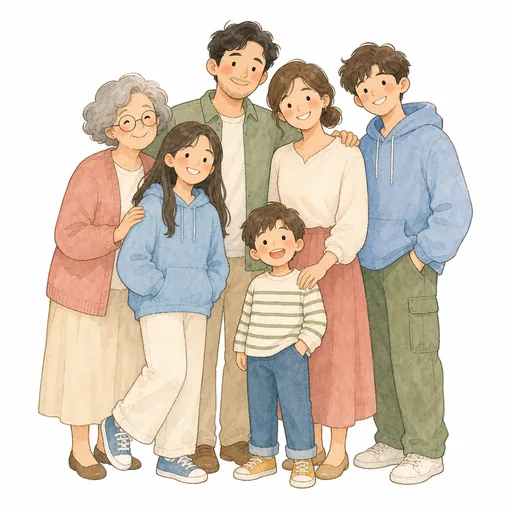
NYC for Large Families: The 4-Person Rule
Five or six people, one Manhattan trip - the booking choices are different here, and most listicles won't tell you why.
-

Multi-Generational NYC: What Actually Works
Three generations, three different paces - here's how to keep the slowest member of the group in the trip.
-
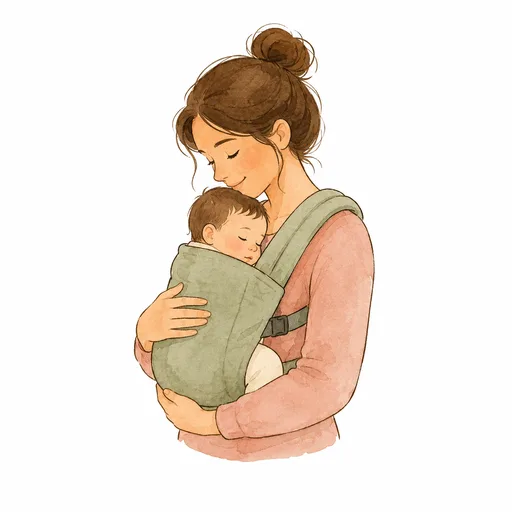
NYC with a Baby
The trip lives or dies on whether the crib actually fits beside the bed.
-
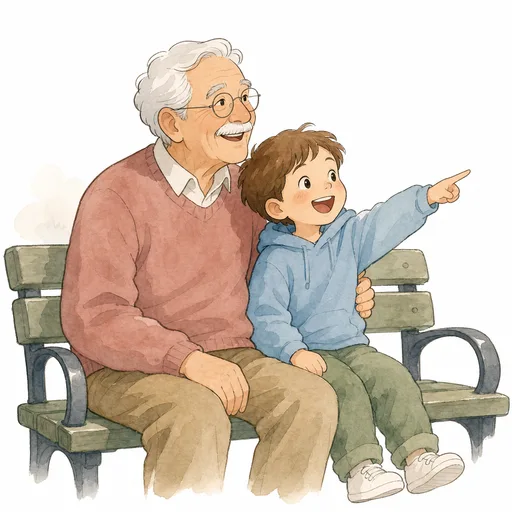
NYC With Grandparents: A Pacing-First Guide
Your hotel is the second living room - the place you sleep between attractions is a different category of building.
-

NYC with School-Age Kids: A Useful Guide
Pick a base, pick 2-3 things a day, and let the subway do the rest.
-
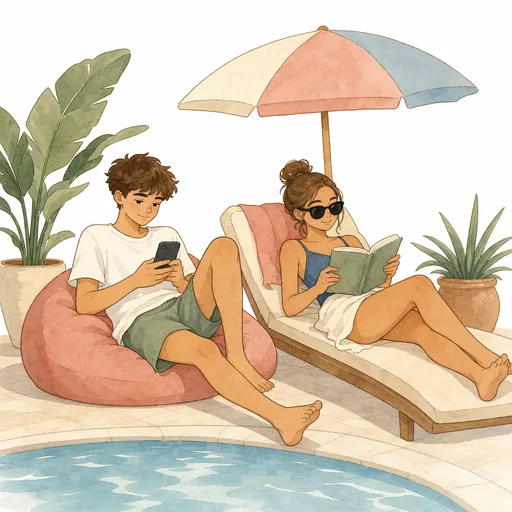
NYC With Teens: A Trip That Doesn't Feel Like a Checklist
The trip works when teens help build it, and when you skip the famous things that consistently flop with their age group.
-

NYC with a Toddler
Book the room with a kitchenette and learn the elevator map - the rest of the trip is execution.
Sensory & Accessibility
-

NYC Sensory-Friendly Programs: Book the Event First
The calendar is the plan. Everything else builds around what you book first.
-
Quiet Hotels in NYC for Families
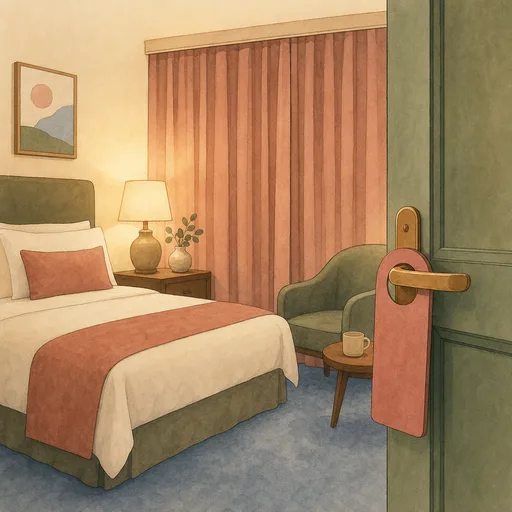
Getting a good night's sleep in New York starts with picking the right block - the room type comes second.
-

Sensory-Friendly NYC: Where the City Actually Quiets Down
The buildings have done the work. The city between them is the variable you plan around.
-

Wheelchair-Accessible NYC: What Actually Works
The hotel is the easy part. The transit mix is the trip.
Food
-

Eating in NYC with Dietary Restrictions
The city is genuinely good at this - but "gluten-free options" and "dedicated kitchen" are two very different things.
-

Food Allergy-Friendly NYC: What Actually Works
The city has the infrastructure. Unlocking it takes about 20 minutes of prep before you land.
-

NYC with Picky Eaters: What Actually Works
The city has more safe options than you think. A few specific traps will burn you if you don't know to avoid them.
Room Setup
-
NYC Connecting Rooms: How to Get a Real Guarantee
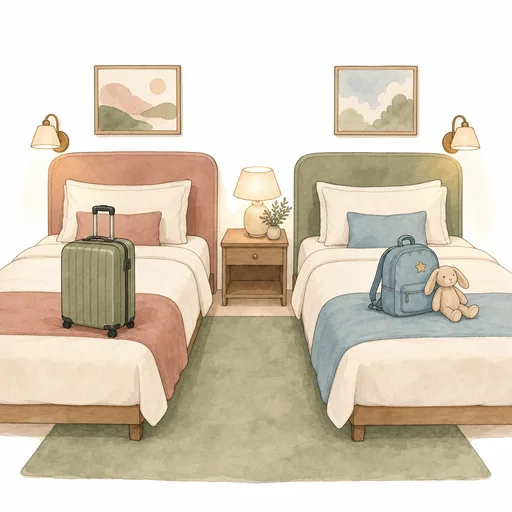
Most NYC hotels will take your connecting-room request and sort it out when you arrive. A small number will actually hold it.
-

NYC Family Suites: What to Actually Book
The word "suite" covers a lot of ground in Manhattan - here's how to tell the difference before you arrive.
-

NYC Hotels with Kitchenettes for Families
The label means nothing. The appliance list is everything.


Powered by Mira
Tell Mira about your family
Two minutes of conversation. A shortlist of hotels that actually fit — connecting rooms, accessible layouts, calm floors, whatever your family needs.
AI travel agent · free to try
Talk to Mira Let Mira find the right hotels for your family. Find hotels with Mira
AI travel agent · free to try