
Hawaii
Sensory-Friendly Maui
The island splits in half. One side works. Here's how to find it.
AI travel agent · free to try
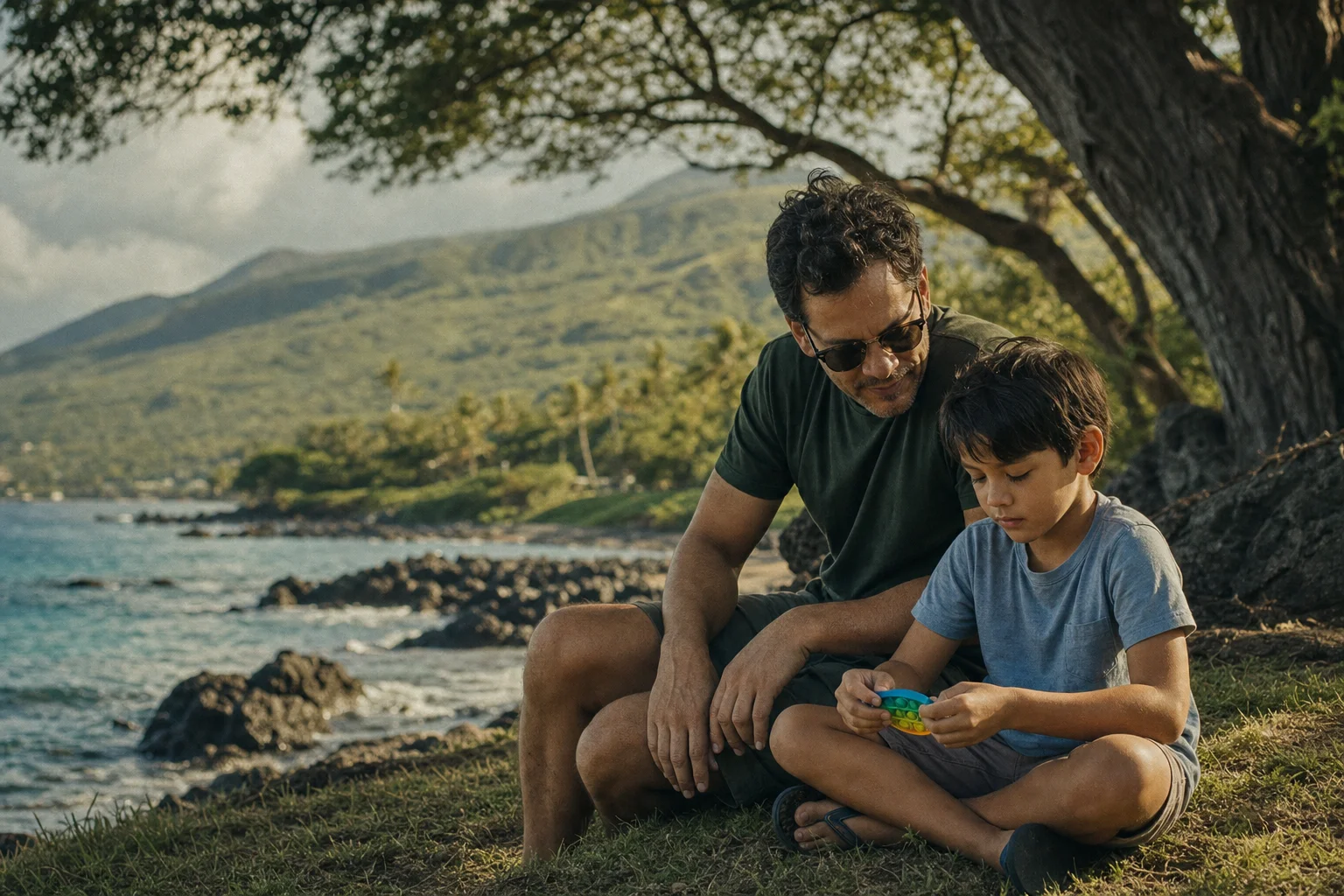
Maui is not one place. The resort strip at Ka’anapali on the west side - pool music starting at noon, Whalers Village foot traffic, live sets at the beach bars from 6 PM - runs at a different frequency than the south shore, fifteen miles away, where the coves are separated by black lava rock and the loudest thing in the evening is waves.
That split is the whole article. If you land at the wrong end of it, Maui is exhausting. If you land at the right end, it’s one of the easiest places in Hawaii to spend a week.
The south shore vs. the west side
Ka’anapali is designed for stimulation. Hotels line a single beach in a row. OUTRIGGER Ka’anapali runs live music six to eight PM daily. The Westin has a water park with slides. Hyatt Regency Ka’anapali has fielded pool music complaints; one reviewed described “mid-80s rock” at high volume, with hotel management acknowledging it.
Wailea, 15 miles south, spreads out. Resorts sit along a coastal walking path with black-rock headlands between coves, naturally limiting crowd density. Multiple TripAdvisor reviewers reach for the same word: “tranquil.”
Kihei, just north of Wailea, is quieter still - local, dry, sunny, with calm water and a rhythm that doesn’t feel packaged. The Kamaole Beach Parks (Kam I, II, and III) are long enough that crowds disperse naturally. Lifeguards, restrooms, wide grassy areas.
Makena sits south of Wailea, at the end of the road. The quietest hotel-category option on the island.
The guiding question before you book anything else: south or west? Everything follows from that.
Beaches that stay calm
South-facing beaches stay gentle most of the year. North-shore beaches change character between November and March - shore breaks pick up and some are genuinely dangerous in winter. Stick to south-facing beaches if reliable calm water matters.
Launiupoko Beach Park, west Maui. A man-made lava-rock wading pool - a few inches to two feet deep, refreshed by gentle wave action - alongside tide pools with fish and crabs. Covered picnic tables, restrooms, outdoor showers. Parking fills by 9 AM on weekends; arrive by 8 AM on a weekday for a near-empty experience.
Kamaole Beach Parks, Kihei. Three adjacent beaches with lifeguards and restrooms, wide enough that even a busy Saturday doesn’t feel concentrated. Gentle summer surf. Weekday mornings before 10 AM are the quietest. These are the most accessible low-key public beaches on the south shore.
Olowalu Beach, mile marker 14, Honoapiilani Highway. Nicknamed Turtle Reef. No entrance sign, no facilities beyond a small pull-off parking area, no vendors, no music. Good snorkeling with reliably calm conditions. Green sea turtles visible frequently. The lack of signage keeps it genuinely uncrowded.
Slaughterhouse Beach (Mokuleia Bay), near Kapalua. The name and 90 steps down thin the crowd to nearly nothing on weekday mornings off-season. Summer only - surf picks up sharply in winter.
One beach to hold off on: Baby Beach near Lahaina - historically Maui’s calmest, with an offshore reef blocking all wave action - sits adjacent to Lahaina, which is still in active recovery from the 2023 fire. Check current access before planning a visit there.
Hotels and rentals: what calm actually looks like
Makena Beach & Golf Resort is the southernmost resort on Maui, past most of the island’s resort traffic. The pool is small - smaller than comparable luxury properties nearby - which sounds like a drawback and functions as a feature: small pools don’t amplify sound the way large pools with slides do. Multiple TripAdvisor reviewers reach for the same phrasing: “I never find Makena to have the sense that it is crowded or ‘busy.’” One weekly sunset luau is the lone scheduled event - optional, contained, and easy to work around.
Napili Kai Beach Resort enforces a no-cellphone-outside-the-room rule and caps building height at two stories. It sits on Napili Bay, a protected cove, with four pools - smaller quieter pools set away from the main one. Two caveats: walls between rooms are thin, and the property runs a Tuesday hula show and Wednesday Slack Key Guitar concert - audible from some units. Request a room away from the main pool building.
Hana-Maui Resort (a Destination by Hyatt property) is the most remote, quiet hotel on the island. Sixty-six rooms on 75 acres. No in-room televisions, no bar scene, no evening entertainment. Daily schedule is opt-in: morning yoga, lei-making, paddleboard. The trade-off is real - two hours on the winding Hana Highway each way, and food variety is minimal. If dietary routine depends on reliable access to familiar options, Hana-Maui won’t hold up for a full week.
A vacation rental condo in Kihei gives more routine control than any hotel. Full kitchen, meals on your schedule. The 24-hour Safeway at 277 Pi’ikea Ave carries mainland brands; Maui Market Delivery can stock the unit before you land. Quieter complexes sit back from South Kihei Road - worth asking about when you book.

If you’re weighing a Wailea hotel against a Kihei condo for your specific family setup - routine control, kitchen access, noise levels, proximity to the Kamaole beaches - Mira can work through the trade-offs with you before you commit to anything.
AI travel agent
Activities with predictable structure
Maui Ocean Center, Ma’alaea Harbor. A closed aquarium with a dimly lit jellyfish exhibit and an enclosed tunnel walk-through at a consistent pace. The aquarium’s own FAQ states peak attendance is morning through lunchtime - arrive at 1 PM or later. Wednesday is the lowest-traffic day. Book tickets online to skip the gate line.
Kepaniwai Park, Wailuku. A free Japanese heritage garden: koi ponds, bonsai trees, stone lanterns, eight covered picnic pavilions. Low foot traffic on weekday mornings. The nearby Iao Valley State Monument is closed through at least June 26, 2026 - Kepaniwai is the open alternative.
Self-driving the island beats guided tours for families where flexibility matters. Maui is small; the Gypsy audio guide app gives you a route you can pause, skip, or abandon. You stop when something holds interest, you leave when it doesn’t. No departure time, no group schedule.
Olowalu turtle snorkeling needs almost no planning: park at the mile marker 14 pull-off, walk to the water, snorkel at your pace. No guide, no schedule, no crowd.
Ultimate Air Trampoline Park in Kahului runs a Tuesday 2 PM low-stimulation session - softer music, reduced attendance. Book online.
One to skip: the Atlantis submarine tour. The boarding process (ladder transfer into a crowded, dark cabin) and confined interior are a documented poor fit when predictability and calm matter.
The food and routine question
Resort dining in Maui is seafood-forward. For families where dietary variety matters, don’t depend on resort restaurants for every meal.
A condo with a full kitchen is the structural solution. The Safeway in Kihei is open 24 hours and carries mainland brands. Grocery delivery via Maui Market Delivery - they shop Safeway, Whole Foods, Target, and Costco - can have the rental stocked before you land. For hotel stays: Foodland in Kihei has a deli and poke bar; Island Gourmet Markets at Shops at Wailea covers the Wailea end. Familiar snacks and breakfast items in the room change what the mornings look like.
If you’re still working out whether a hotel or condo makes more sense given your family’s food and routine needs, Mira can help you think through it - what the kitchen access actually gets you day-to-day versus what you give up in hotel amenities.
AI travel agent
When to go, and what to expect
July is the busiest month - mid-December through April is the second surge. Best low-crowd windows: late April through May and September through early November.
One fall caveat worth knowing: some condo complexes run scheduled maintenance in the off-season. Jackhammers and glass recycling trucks starting at 6 AM were documented at Sands of Kahana, Valley Isle Resort, and Maui Schooner. Ask your specific property about scheduled construction before committing to a fall booking.
Island-wide visitor counts in 2025–2026 remain about 20% below 2019 peaks, a consequence of the 2023 Lahaina fire. Lahaina is in active recovery. South Maui is not - and it’s meaningfully less crowded than it was before 2023.
Frequently Asked Questions
What's the calmest area of Maui to stay in?
Which Maui beaches have the gentlest water and least noise?
What's the best time to visit Maui Ocean Center?
Is the Road to Hana a good idea for families who need predictability?
Can we stock up on familiar foods once we arrive in Maui?
Is Iao Valley open to visit?
More articles about Maui
Destination Guide
-

Maui with Kids (2026): The Family Travel Guide
Maui rewards preparation more than almost any other destination. The families who struggle are almost always the ones who planned it like a spontaneous trip.
-

First Time in Maui: What to Book Before You Land
The island rewards preparation and punishes everyone who treats it like a spontaneous trip.
Who's Traveling
-
Maui for Large Families: What to Book and When
Eight people, one island - the accommodation decision you make first determines the trip you actually have.
-

Multi-Generational Maui: How to Make It Work for Everyone
Maui rewards families who plan for two speeds - and punishes those who pretend everyone moves the same way.
-
Maui with a Baby: What Actually Works
The trip works if you get two decisions right - where to sleep and which beaches to skip.
-

Maui with Grandparents: Pick the Right Base, Then It Works
The island is genuinely well-suited for this - but the resort you pick determines whether grandparents spend the week enjoying it or managing it.
-

Maui with School-Age Kids: What Actually Works
The right base, the right activities booked before you land, and permission to spend a full day at the pool - that's the Maui trip kids remember.
-

Maui with Teens: What Actually Works (and What Falls Apart)
The island can do the heavy lifting. The mistake is not letting teenagers into the plan.
-

Maui with a Toddler: What Actually Matters
The island rewards careful planning more than most - here's where to put that effort.
Sensory & Accessibility
-
Maui for Calm Trips: Quiet Beaches, Predictable Stays
The island does the heavy lifting - if you pick the right side, the right time, and the right room.
-
Maui Without the Crowd
Most of the island's peace depends less on which resort you pick and more on whether you arrive before the sun does.
-
Quiet Hotels in Maui: Where to Actually Find Stillness
Maui's quietest properties aren't the ones ranked highest on travel sites - they're the ones geography and policy have kept that way.
-

Wheelchair-Accessible Maui: What Actually Works
The island rewards careful planning and punishes assumptions.
Food
-

Eating Well on Maui with Dietary Restrictions
The island has the infrastructure. The work is knowing where "gluten-friendly" stops and "gluten-free" starts.
-

Eating with Food Allergies in Maui
The island-specific risks, the kitchens that take it seriously, and why a condo changes everything.
-

Maui with Picky Eaters: A Practical Eating Guide
The island has more fallbacks than it advertises - you just need to know where to look.
Room Setup
-

Maui Connecting Rooms: How to Actually Get What You Booked
The difference between "we'll try" and a confirmed interior door - and which three properties actually deliver.
-
Maui Family Suites: Separate Bedroom or Sofa Trap?
The word "suite" covers two completely different products. Which one you get determines whether your kids' bedtime is yours too.
-
Maui Condos with Full Kitchens: What Listings Miss
The word "kitchenette" has no standard definition in Maui lodging - and booking the wrong one costs you a week of restaurant meals.
On-Site Activities
-

Maui Kids Clubs: Which Ones Are Actually Still Open
Four closed and didn't come back. The ones that survived are worth understanding before you commit to a resort.
-

Maui Resorts with a Lazy River: The Honest Guide
The booking filter says six properties qualify. One actually has a current.
-

Maui Water Parks: The Real Story (Resort Pools That Deliver)
There is no standalone water park on Maui. What there is might be better.
Powered by Mira
Tell Mira about your family
Two minutes of conversation. A shortlist of hotels that actually fit — connecting rooms, accessible layouts, calm floors, whatever your family needs.
AI travel agent · free to try
Talk to Mira Let Mira find the right hotels for your family. Find hotels with Mira
AI travel agent · free to try