
Colorado
Sensory-Friendly Vail
A big, loud mountain becomes a manageable one once you pick the right base, the right pod, and the right hour.
AI travel agent · free to try
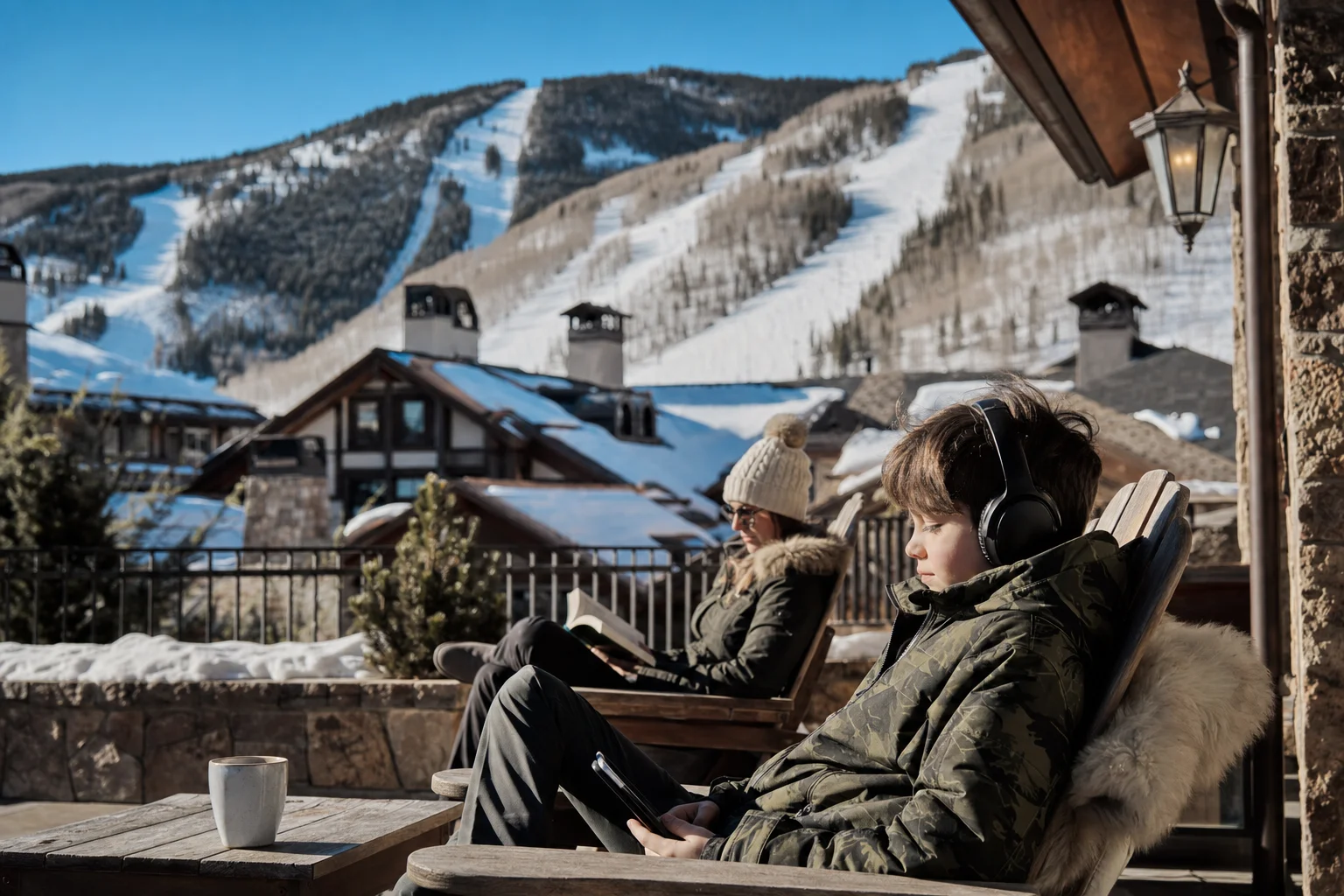
Children’s Hospital Colorado puts the number at roughly one in four visitors who get altitude symptoms in Vail, with symptoms peaking after the first night’s sleep. For a sensory-sensitive kid, day two becomes a stack of risks - a headache the kid can’t name, broken sleep, a new place, ski boots on for the first time. A Vail trip that falls apart on day two almost always falls apart for reasons that have nothing to do with skiing.
A ski week with a kid who melts down at the wrong noise or texture isn’t a different sport; it’s the same sport staged differently. Where you sleep, when you ride the lift, which beginner pod the lesson runs at, what you tell the instructor before the kid arrives. Those four decisions absorb almost all the variance.
Beaver Creek is often the smarter base
Most families default to the Vail Village name without realizing Beaver Creek is structurally calmer. Both villages are pedestrian-only - no through traffic, which matters for a kid who bolts - but Beaver Creek is the smaller of the two, with fewer restaurants and less of the lit-up nighttime density Vail Village carries from its eighty-odd bars and restaurants. Beaver Creek’s Haymeadow Park, the dedicated never-ever zone, has its own gondola and sits physically separated from intermediate terrain, so a first-time kid isn’t sharing space with fast skiers cutting through.
The flank villages - Bachelor Gulch and Arrowhead - are calmer still. The Ritz-Carlton Bachelor Gulch sits in its own gulch with ski-in/ski-out via the Bachelor Gulch Express outside the lobby, and the Ski Nanny program handles boot-up and shuttling kids to and from lessons - one of the few hotel features that meaningfully shrinks the transition friction that derails sensory-sensitive mornings. Family grotto night runs twice a week at a lower-stimulation pool hour. Luxury pricing, but friction reduction is the trade.
If Vail Village is the right call for other reasons - extended family meeting you there, a lesson at Golden Peak - the village has two quieter picks.
Tivoli Lodge
Family-owned since 1968, sixty-two rooms, on the Golden Peak end of the village near the Vista Bahn. Reviewers consistently describe the rooms as quiet enough to open the windows and hear natural sounds at night, with no audible neighbors through the walls. The owners live on the top floor. That kind of small-hotel-where-staff-recognize-you energy tends to land well for kids who do better when the front desk knows them by Tuesday. Premium pricing for the boutique class.
Manor Vail Lodge
Condo-style with full kitchens - studios up to multi-bedroom - which matters if you’re managing food for a picky or ARFID kid and would rather not negotiate restaurant menus three times a day. Directly next to ski school at Golden Peak, no-line ski valet, two outdoor pools, four hot tubs. The one specific request to make at booking is a river-side room - multiple TripAdvisor reviewers have flagged I-70-side rooms for highway noise, a sensory failure point that’s free to avoid if you ask in advance.
The hotel worth naming as a deliberate skip is the Sonnenalp. Gorgeous and family-owned, but a 2024 review titled “Loud children everywhere” prompted the hotel itself to respond apologizing the stay wasn’t the quiet getaway the guest hoped for. Kids are welcome but expected to be “respectfully quiet” in shared spaces. Read that as a hotel being honest about leaning loud-family - fine if you want your kid surrounded by other kids, a miss if you need decompression.

Tell Mira whether you’re anchoring at Vail or Beaver Creek and she’ll pull current availability and flag the room-level requests (river side at Manor Vail, family grotto night at the Ritz) before you book.
AI travel agent
The two adaptive schools, honestly compared
Vail Adaptive Ski & Snowboard School is run by Vail Resorts itself rather than a third-party nonprofit, staffed by paid PSIA and AASI-certified instructors who teach adaptive lessons for a living. Ages five and up. Beaver Creek Adaptive sits under the same umbrella with the same instructor caliber, generally easier to book.
The single highest-leverage thing parents on forum threads name, year after year, is the pre-lesson briefing. Call the school and tell them how your kid behaves before, during, and after a lesson - what works, what doesn’t, what one specific thing would derail the day. Whether that conversation happens before the kid arrives at the lift mostly determines whether the lesson goes well; the intake form alone doesn’t carry enough texture. “Adaptive” at Vail Resorts covers physical, visual, and cognitive disabilities under one umbrella, and only some instructors specialize in autism - when you call, name the fit so they assign accordingly.
Holiday weeks (Christmas, MLK, Presidents’, spring break) book a couple of months out per snowHeads parents; the November-for-Christmas-week call is the most common failure mode. If your week is fully booked, Ascendigo at Snowmass - two and a half hours west on I-70 - runs a five-day camp with 1:1 lessons from Aspen Skiing Co. pros trained by autism specialists. Treat it as the dates-don’t-work backstop; the I-70 drive itself is a sensory event.
Access Unbound is the local scholarship arm - book the lesson first, then apply. It can cover some or all of the lesson cost plus some equipment.
Where to actually ski
The front-side beginner area off Golden Peak is the obvious default and the wrong one. From about 9:30 to 11:00 AM that’s where ski-school classes dump out, and the lift lines feel like a packed elementary-school hallway. The structurally calmer alternative is the Sourdough Express (Lift 14) beginner pod - Sourdough, Booth Gardens, Tin Pants. Same skill level, far less crowd density, and locals’ guides flag it consistently as the place to send a kid whose first runs need to happen somewhere they can hear themselves think.
Once a kid is past beginner, Game Creek Bowl has four greens around its edges (Lost Boy, Eagle’s Nest Ridge, Club Walk, Game Trail) that stay much emptier than the equivalent runs lower down. Blue Sky Basin - north-facing, wooded, intermediate-plus - is the least crowded part of the mountain by most accounts. Time of day matters as much as terrain: ski the first hour after lifts open at 8:30, lunch early off-mountain, come back after 11:30. Skipping the 9:30–11:00 window is one of the cheapest sensory-load wins on the mountain.
The Walking Mountains Nature Discovery Center at the top of the Eagle Bahn Gondola runs sensory-friendly activity kits and guided nature hikes - the rare place where “sensory-friendly” appears in someone else’s marketing.
Mira can sequence a sample day - which lift, which run, when to break - against your kid’s capacity and your lesson booking. Useful when the difference between Sourdough at 8:30 and Golden Peak at 10:00 is the whole trip.
AI travel agent
The altitude trap and the gear that fails
Vail Village sits at 8,150 feet; the summit is closer to 11,570. The fix for the day-two altitude crash is an acclimation buffer. Fly into Eagle (EGE) and drive thirty-five minutes up if you can; if you’re flying into Denver, an overnight there at 5,280 feet meaningfully softens the climb. Either way, treat day one as a half-day at best - hotel pool, the Walking Mountains Discovery Center, short stroller walks, big water intake. The kid who’s irritable on day one isn’t melting down; they’re hypoxic.
Gloves are the single most-cited sensory failure point on the slopes. Pack daily spares, default to mitts over fingered gloves, and put gloves on before the jacket so the kid can’t pull them off mid-lift. Snow inside a glove on day one is the kind of small thing that ends a trip - one forum parent flagged exactly that as the moment their kid refused to ski again the rest of the week. For auditory dampening, bone-conduction or open-ear helmet speakers work where noise-canceling earbuds don’t - instructors discourage the latter for safety and because the kid can’t hear them.
The trip that works is the one staged before you got there. Call the adaptive school in October for a February lesson. Book the river-side room. Sleep at Beaver Creek if Beaver Creek is the right call. Ski Sourdough at 8:30. Tell the instructor what one specific thing would derail the day.
Frequently Asked Questions
Is there a Certified Autism Center hotel in Vail?
What's the difference between Vail's adaptive ski school and Beaver Creek's?
When is Vail Mountain least crowded?
Should we fly into Denver or Eagle?
More articles about Vail
Destination Guide
-
Vail Family Vacation Guide (2026)
Most families pick the airport for price and the hotel for the photos - and those two reversed defaults are what wreck day one and morning three.
-

Vail for First-Time Visitors: How to Plan a Calmer Trip
The four decisions that quietly make or break your first trip - and what locals actually do about each.
Who's Traveling
-
Vail for Large Families: Real Beds, Right Village
A 3-bedroom in Vail might sleep six or it might sleep ten, and the wrong village adds a 10-minute morning commute you didn't plan for.
-

Multi-Generational Vail: How to Make It Work
Two pedestrian villages, a free shuttle, and a way for grandparents, parents, and kids to want different things on the same day.
-
Vail with a Baby: The Altitude Plan First
The altitude question is the planning question - get the first 24 hours right and the rest is the easiest mountain town in Colorado for a stroller.
-
Vail With Grandparents: Altitude, Lodging, Non-Skier Days
The hard parts of a Vail multi-gen trip aren't the mountain - they're the first night above 8,000 ft and the hours when the rest of the family is skiing.
-

Vail with School-Age Kids: Pick Your Side of the Mountain
The trip works or doesn't on a single question - where ski school actually meets that morning.
-

Vail with Teens: The Lionshead Case and the Bowls Myth
The freedom-radius is the point, and Lionshead is quietly better than its reputation.
-

Vail with a Toddler: Skip the Mountain, Stay Lionshead
The non-ski day is the better day, and the village to base in is Lionshead.
Sensory & Accessibility
-
Low-Stimulation Vail: Quiet Weeks, Rooms, and Lifts
The strongest dial isn't a "sensory-friendly" label - it's the week you pick, the side of the village you sleep on, and which lift you ride.
-
Quiet Stays in Vail: The Room and Orientation That Matter
Where to sleep without bar noise, jake brakes, or an amphitheater bleeding through the wall.
-

Vail Without the Sensory Overload
Which village you sleep in, which lift you ride at 8:30am, and when you book the adaptive lesson - those three choices decide the trip.
-
Wheelchair-Accessible Vail: What Actually Rolls
A mountain town built on a slope that still does the infrastructure work most ski resorts skip.
Food
-

Vail Dietary Accommodations: Celiac, Kosher, Dairy-Free
Gluten-free, kosher, dairy-free, vegan - which Vail kitchens have the training, and which ones have only the menu icon.
-

Vail with Food Allergies: Where a Celiac Kid Eats Safely
A small cluster of restaurants take this seriously, the mountain doesn't, and the condo kitchen is the trip-saver most families end up loving.
-

Vail for Picky Eaters: Where the Tenders Actually Are
Lionshead beats Vail Village, Avanti is the MVP, and altitude is the part most parents miss.
Room Setup
-

Vail Connecting Rooms: Who Actually Guarantees the Door
One Vail hotel will hold a connecting pair in writing. Everywhere else, you're negotiating.
-
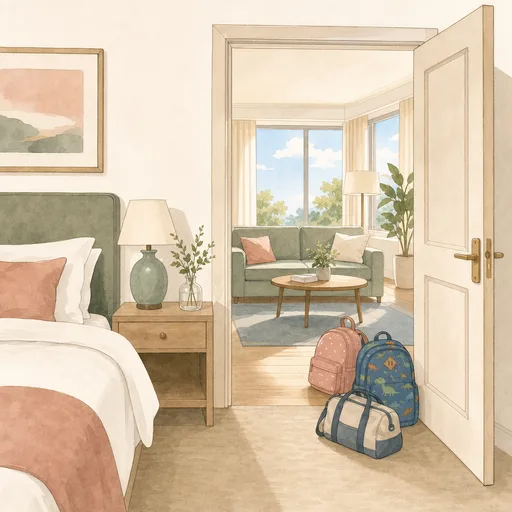
Vail Suites for Families: The Floor Plan Matters Most
Pick the base before the brand, and read the floor plan before the photos.
-

Vail Hotels with Kitchenettes
The cheapest kitchenette in Vail is a mini-fridge and a coffee maker. The most expensive is a Sub-Zero. The label doesn't tell you which you're getting.
On-Site Activities
-

Vail Kids Clubs: Hotel, Mountain, and Ski School
Three different things share the name, only one of them takes babies, and only one of them runs past dinner.
-

Vail with a Lazy River: The Honest Playbook
No Vail hotel has one. The Avon Recreation Center has the real one, and that changes how you pick a hotel.
-

Vail with a Water Park: The Honest Plan
There isn't one in town - here's what families with slide-obsessed kids actually do.
Powered by Mira
Tell Mira about your family
Two minutes of conversation. A shortlist of hotels that actually fit — connecting rooms, accessible layouts, calm floors, whatever your family needs.
AI travel agent · free to try
Talk to Mira Let Mira find the right hotels for your family. Find hotels with Mira
AI travel agent · free to try